
How Long Does It Take To Build Your Dream House?
You are smart to ask how long a custom home really takes. You deserve a straight answer.
Understanding The Average Time To Build A House
For a true custom home in the United States, a realistic timeline often lands in the range of about 8 to 15 months from the start of construction. That does not include the early planning work such as design, budgeting, and land preparation, which add more time on the front end.
Custom builds vs production homes
Custom homes follow your floor plan, your finishes, and your site conditions. They usually take longer, because more decisions, coordination, and inspections are involved.
Production homes use repeat plans and systems on many similar lots. Those can move faster, but you give up flexibility and long term tailoring to your lifestyle.
Key stages in a typical custom build
Permits and final plans
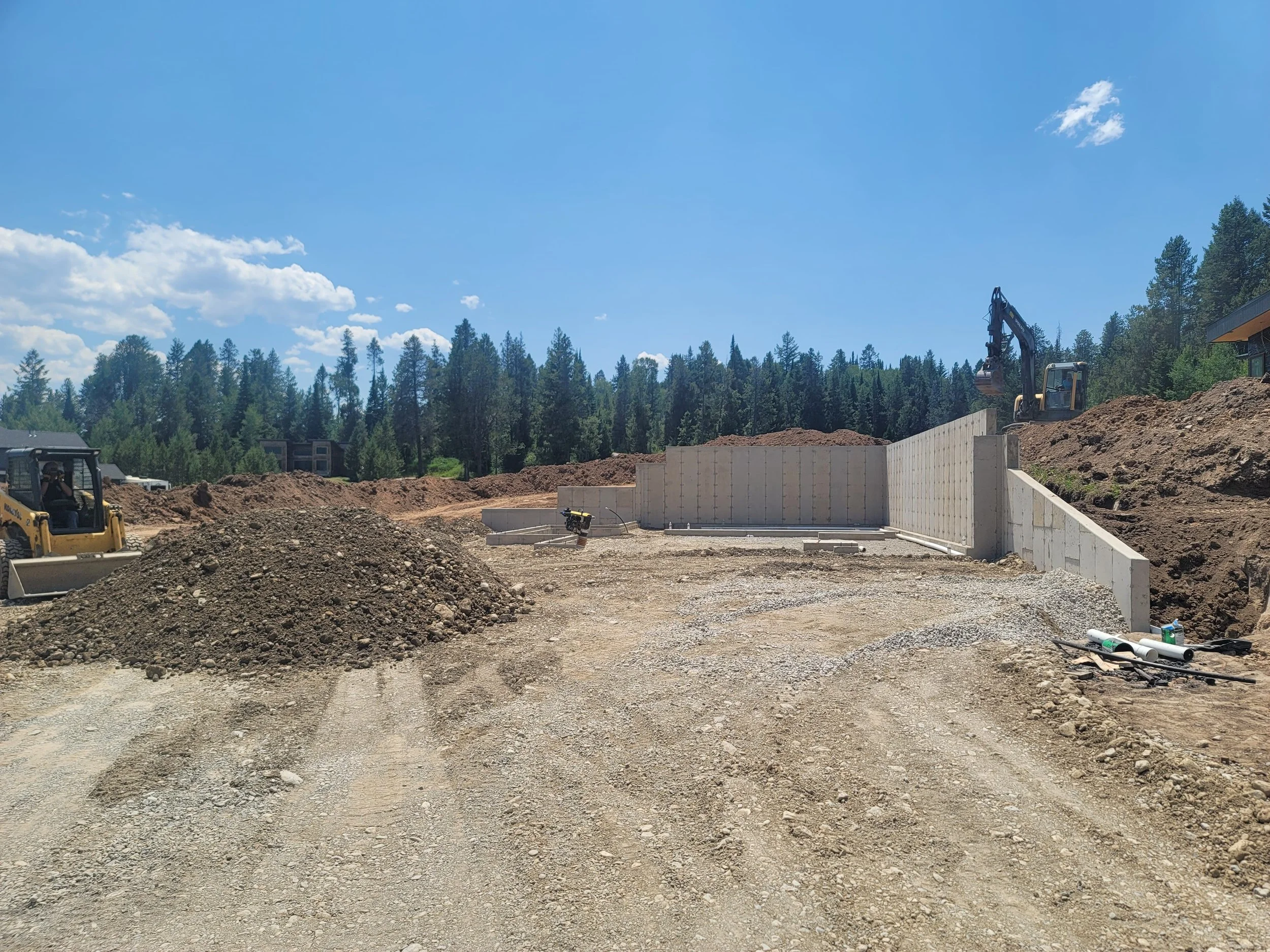
Site work and foundation
Framing and shell
Mechanical systems, insulation, and exterior details
Interior finishes and fixtures
Final inspections and walkthrough
The time in each stage shifts based on size, design complexity, and builder availability. Larger footprints, detailed custom features, or a fully booked builder will stretch the schedule, while a right sized, well planned design can move through those same stages more smoothly. If you want a deeper step by step view, you can explore our custom home building guide.
Key Factors That Affect How Long Your Home Takes
You want to know what really slows a project down, not vague talk. Here are the main drivers of build time and how they show up for you.
Permits and planning
The more complete your plans and selections are before permits, the smoother the schedule. If you keep making changes in this phase, the whole timeline shifts forward.
Weather and seasons
In Wyoming, cold, snow, and mud control when we can pour concrete, dig, and sometimes even access the site. That means some work pauses in deeper winter. Plan your move date with seasonal buffers, not tight back to back deadlines.
Labor and materials
Quality trades and specific materials do not always line up perfectly. Specialty items for energy efficiency or low maintenance can have longer lead times. Order decisions early so your builder can schedule crews around deliveries instead of waiting.
Changes during construction
Every change, even a small one, creates ripple effects. As you age, safe access, storage, and lighting matter more. Get those dialed in during design, so you are not moving walls or fixtures mid build.
Inspections and approvals
Each stage needs inspection. Passing the first time keeps the schedule intact. Working with a builder who knows local requirements, like those listed on our custom home building services page, helps keep this predictable and low stress.
Wyoming And Star Valley Specific Considerations
Building in Star Valley feels different from building in many other parts of the country, and your timeline should reflect that from day one.
Short building season and weather swings
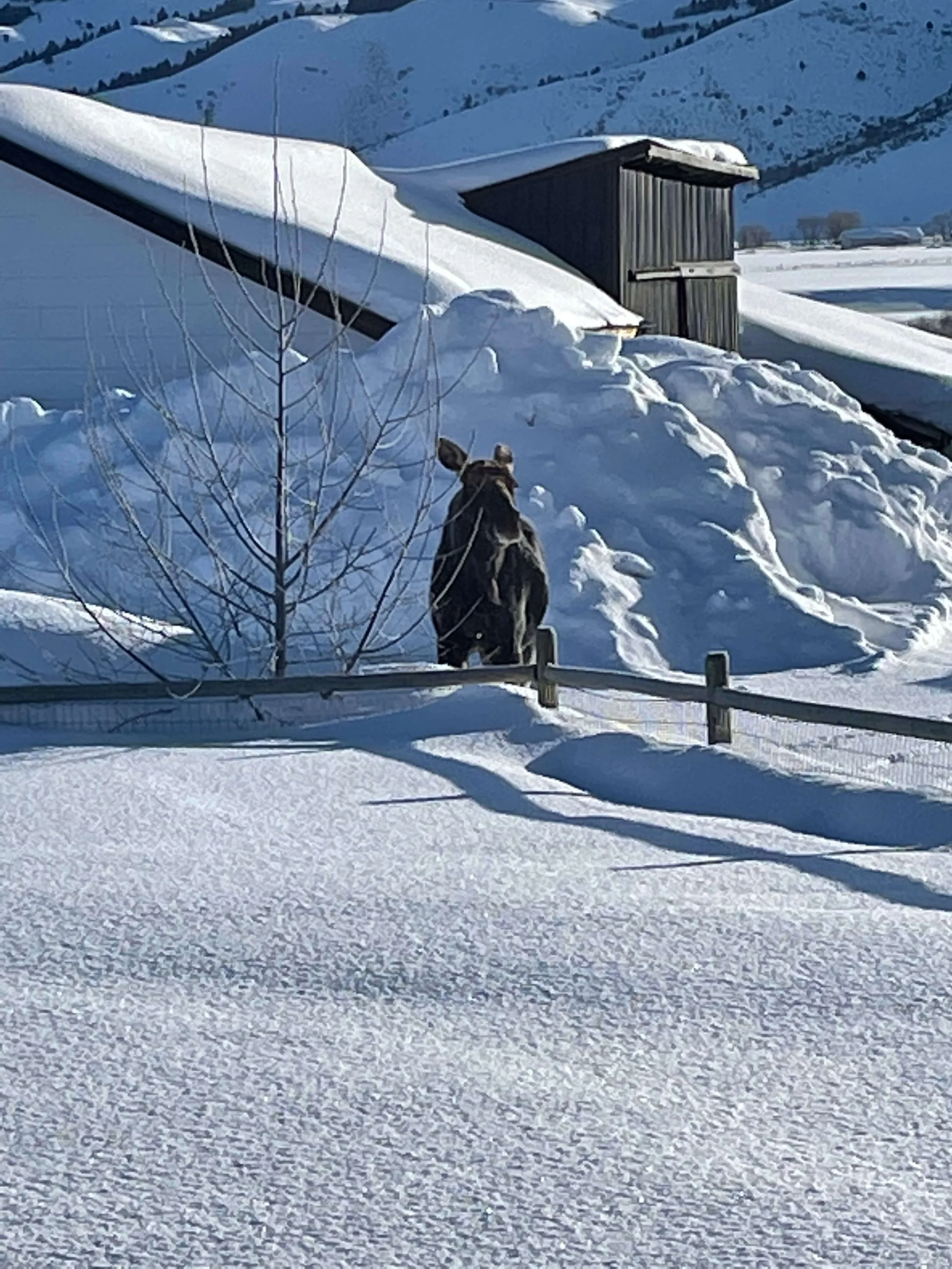
Winters run long, and seasons can be wet and unpredictable. Cold, snow, and freeze thaw cycles limit when we can dig, pour concrete, and safely work outside. That compresses the true outdoor building season into a shorter window, so schedules need realistic start dates and built in weather buffers.
Remote location and logistics
Star Valley is more rural, which is part of its appeal, but it affects deliveries and trade schedules. Materials and specialty items for energy efficiency or low maintenance sometimes take extra time to arrive. A smart plan locks in major selections early, then sequences work so crews stay productive while waiting on key items.
How to plan and still get a high performing home
For most retirees, the best approach is to time design and permitting so excavation and foundation start in a favorable season, not at the edge of winter. Ask your builder how they phase foundations, framing, and interior work through the year to protect quality. If you want more context before you commit, you can scan our custom home building blog for detailed Star Valley planning insights.
Typical Timeline For A Custom Home In Star Valley
Think of your build in clear stages. The exact weeks or months shift with weather and design, but the sequence stays consistent.
1. Permits, final plans, and staking
You wrap up construction drawings, confirm allowances, and your builder secures permits. The site gets staked so you can see how the home sits on the land. This phase often overlaps with the tail end of design.
2. Site work and foundation
Crews clear and rough grade, bring in utilities, then excavate and pour footings and walls when temperatures and soil conditions cooperate. In Star Valley, this stage is tightly tied to the building season, so timing it right matters.
3. Framing and exterior shell
Your home takes shape with floors, walls, and roof. Windows, exterior doors, roofing, and basic weatherproofing follow. Once the shell is closed in, weather becomes less of a schedule driver.
4. Systems, insulation, and exterior details
Electric, plumbing, and HVAC get installed, then inspected. After that, insulation and air sealing go in for comfort and energy efficiency, along with siding and exterior trim.
5. Interior finishes and final steps
Drywall, cabinets, flooring, tile, trim, and paint bring the interior to life. Fixtures, appliances, and final hardware follow, along with final inspections and a detailed walkthrough. A builder who focuses on long term livability, like those you will find through a dedicated Star Valley custom home builder, will pace this phase to protect quality, not just speed.
Managing Expectations And Preparing For Your Build
Building a home at this stage of life is as much about mindset as it is about lumber and concrete. You want a clear path, honest updates, and a calm process.
Stay informed without micromanaging
Agree on a regular update rhythm, for example weekly emails or calls with photos.
Ask for a simple schedule that highlights milestones, not a day by day spreadsheet.
Use one main contact person so information stays consistent.
Communicate the right way
Put important decisions in writing, including any changes.
Share your non negotiables early, such as zero step entries, grab bar backing, or specific energy features.
Ask direct questions if something feels rushed or unclear.
Plan for delays and protect quality
Expect some weather or supply hiccups, especially in Star Valley.
Build a time buffer into your move in plans so you are not forced into shortcuts.
Remember, a few extra weeks is a fair trade for better long term safety and low maintenance.
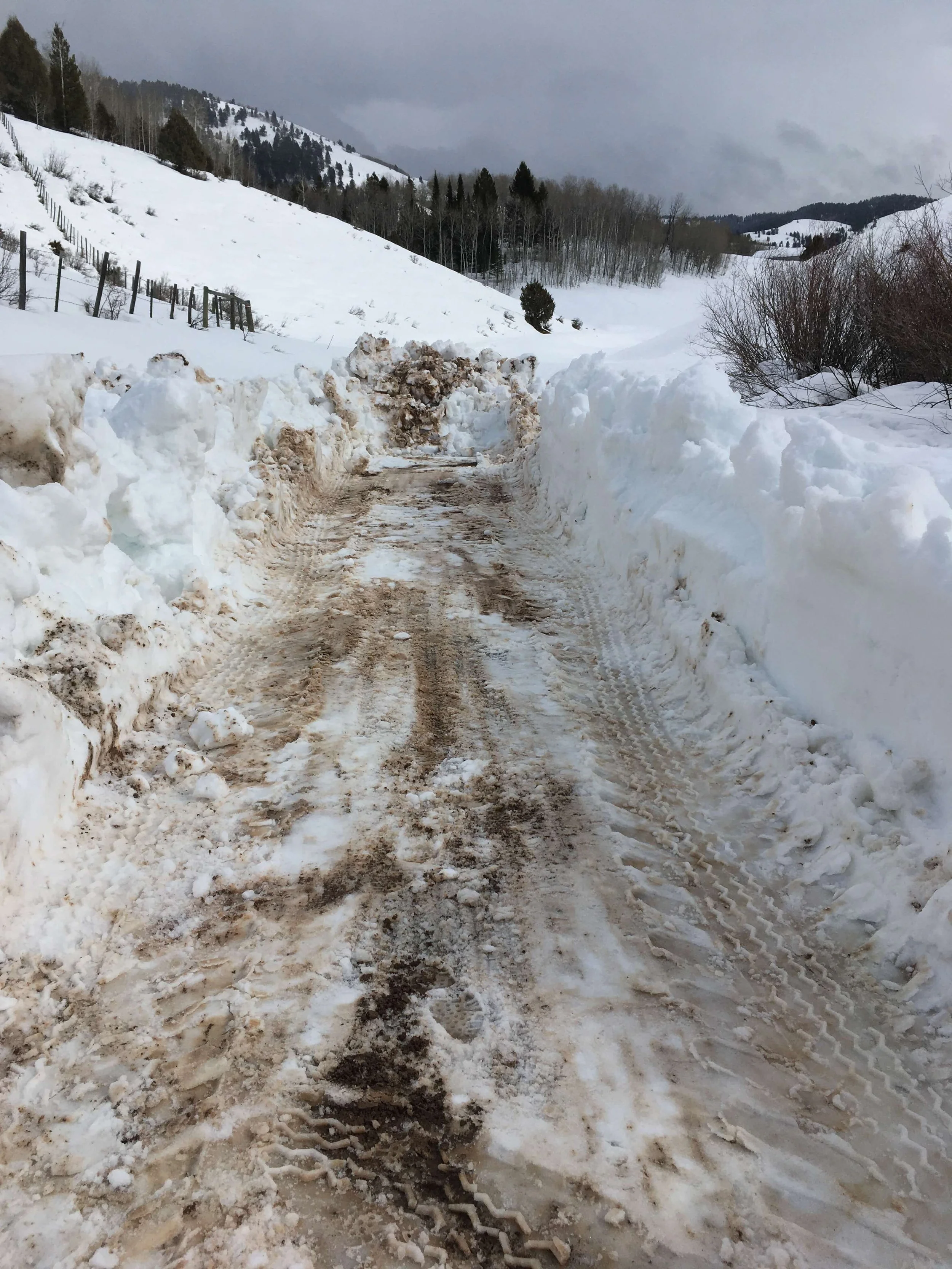
Remember, a winter storm can hit at any time and cause delays. Try to plan for these and give yourself a reasonable timeframe that accounts for surprise visits from Mother Nature.
Trust and patience are part of the build. Choose a builder whose values you respect, then let them do their job while you keep a steady eye on the big picture. If you want to understand how a builder thinks before you commit, read more on our about page or call us to schedule a consultation!
