Estimating Construction Cost for Your Star Valley Home
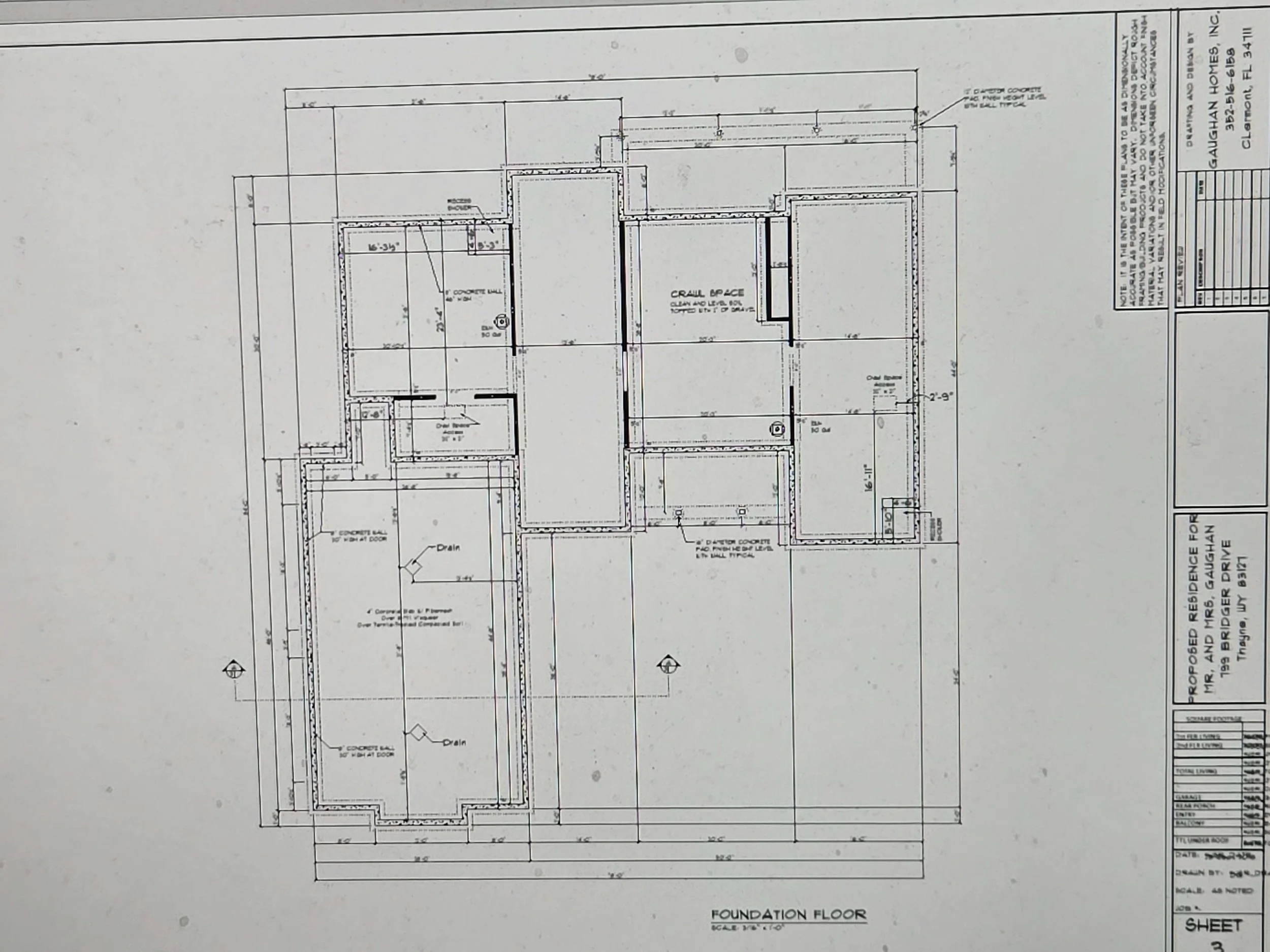
Construction cost estimation is simply this: a clear, structured forecast of what it will cost to build or renovate your project from start to finish. It pulls together the expected costs of materials, labor, permits, design, site work, utilities, and a reserve for the unknowns, then organizes them into a working budget you can rely on.
When it is done well, it gives you a realistic picture of what your home or commercial building will require financially, before you commit to contracts or break ground. When it is done poorly, you end up with surprises, delays, and hard decisions halfway through construction.
What Construction Cost Estimation Actually Covers
A proper estimate does more than list a few big items. It creates a detailed map of the project. At a minimum, a complete construction estimate should account for:
Materials, from structural framing and insulation to roofing, windows, finishes, and fixtures
Labor, including skilled trades and general construction work
Professional and design services, such as architectural drawings and engineering
Permits and inspections, required by local jurisdictions
Site preparation, such as excavation, grading, access, and utility connections
Contingencies, a reserved portion of the budget for changes or unforeseen conditions
For a custom home in Star Valley, that might mean planning for foundations that suit local soils and climate, insulation that performs well through long winters, and finishes that match how you live in your home. For a commercial building in another part of the United States, it could involve more focus on accessibility standards, mechanical systems sized for business use, and compliance with commercial zoning and fire codes.
In both cases, estimation turns your ideas into specific, measurable costs. That gives you a common language to use with builders, designers, and lenders.
Why It Matters for Star Valley Homeowners
Building a custom home in Star Valley is a big commitment. The setting is beautiful, the climate is demanding, and the construction season can be shorter than in other regions. Those factors influence cost. A careful estimate respects that reality.
Here is what a solid estimate does for you as a homeowner:
Prevents budget shock. Instead of discovering later that your chosen layout, roof style, or window package adds far more cost than expected, you see those numbers before you approve the plans.
Clarifies tradeoffs. When you know the cost impact of each major decision, you can choose where to invest. For example, you might prioritize a higher performing building envelope and keep finishes simple, or the other way around, depending on how you live.
Supports lending and approvals. Lenders, appraisers, and sometimes local authorities want to see realistic cost projections. A well built estimate helps you move through those steps with fewer delays.
Protects the build quality. If the budget is unrealistic from the start, something has to give later. That often leads to rushed changes or lower quality materials. A truthful estimate supports the durable, well crafted home you intend to build.
Most important, a reliable estimate replaces vague guesses with clear expectations. You know what you are saying yes to. That makes the entire process calmer and more collaborative.
Why It Matters for Business Owners and Commercial Projects
For business owners, construction cost estimation is not only about the building. It affects cash flow, operations, and long term planning.

Accurate commercial estimates help you:
Test project feasibility. Before you commit to a new facility or a major renovation, you can compare the projected construction cost against your business plan and financing options.
Plan for downtime and phasing. A detailed estimate often comes with a clear scope description. That helps you coordinate schedules, understand when different parts of your building will be impacted, and reduce disruption to your operations.
Align stakeholders. Owners, partners, lenders, and internal teams all see the same cost picture. That reduces disagreement later about what was included or excluded.
Control long term cost of ownership. When cost estimation includes lifecycle thinking, you can weigh the up front price of materials and systems against maintenance, energy use, and replacement over time.
Even if your business is outside Star Valley, the logic is the same. A thoughtful estimate lets you manage risk rather than react to it.
How Accurate Estimates Prevent Budget Surprises
Most budget problems in construction do not come from one very large mistake. They come from many small items that were never accounted for. Good cost estimation reduces that risk in a few key ways.
1. Clear Scope Definition
Cost and scope always travel together. A strong estimate begins by defining scope in detail. For homeowners, that means decisions about square footage, number of stories, level of finishes, and special features such as outdoor living spaces or built in storage. For business owners, it means how you will use the space, load requirements, code considerations, parking, and specialized areas such as kitchens or production zones.
When scope is specific, your estimate can be specific. Fewer assumptions, fewer surprises.
2. Line Item Transparency
An effective estimate breaks the project into clear categories and line items. You can see what portion of your budget goes to the structure, what portion goes to finishes, and what portion supports professional services and site work.
This transparency lets you:
Spot items that feel out of balance with your priorities
Ask targeted questions and make adjustments early
Protect critical aspects of quality if you need to trim elsewhere
3. Realistic Allowances and Contingencies
There are always items that cannot be fully specified on day one. For those, your estimate should include allowances that reflect realistic pricing in your region. It should also include a contingency, a reserved portion of your budget, to handle changes or unknowns without panic.
Without those buffers, every small change becomes a problem. With them, you have room to make thoughtful decisions as the project progresses.
Cost Estimation as a Planning Tool, Not Just a Number
A construction estimate is more than a price tag. It is a planning tool that guides decisions from the first sketches of your Star Valley home or commercial project, through permitting, into construction, and on to move in.
When your estimate is built thoughtfully, you can:
Adjust design before expensive revisions are needed
Sequence spending to match your financing or cash flow
Set realistic expectations with your family, partners, or team
Stay focused on the long term value you want from the building
If you are starting to think about numbers for a future home in Star Valley, you may find it helpful for a conversation specific to your project, you can reach our team directly through our contact page.
Key Components of Construction Costs: Breaking Down the Expenses
Clear construction budgeting starts with knowing what you are actually paying for. Whether you are planning a custom home in Star Valley or a commercial project elsewhere in the United States, your total cost is made up of several distinct components. When you understand each one, you can ask better questions, compare bids more confidently, and make decisions that fit your priorities instead of guessing.
Below are the main categories that belong in a thoughtful construction cost estimate, along with how regional conditions, especially in Star Valley, can affect them.
1. Materials: The Bones and Finishes of Your Building
Materials cover everything that physically goes into your home or commercial building. In a detailed estimate, this category often includes:
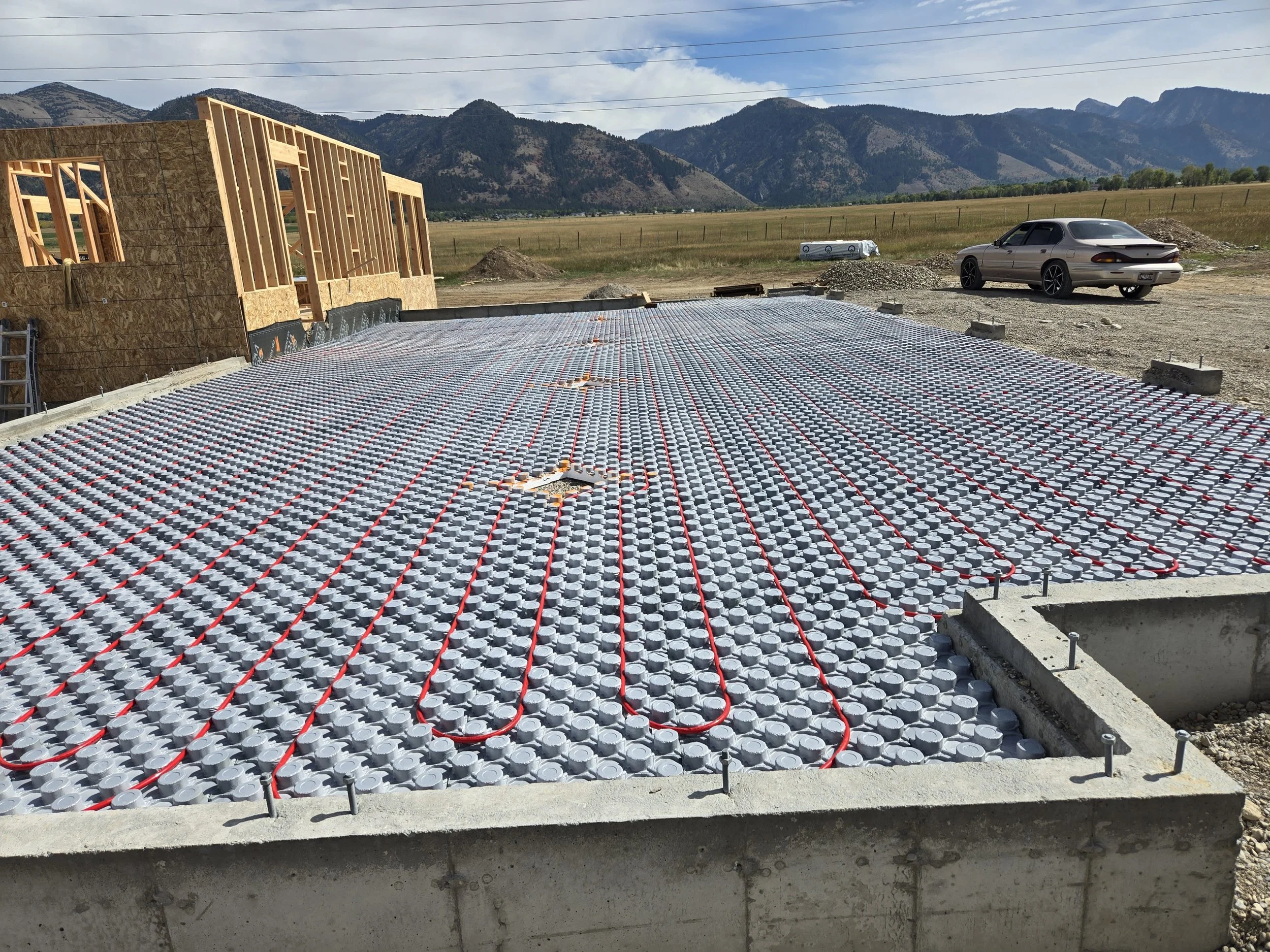
Structural materials such as concrete, framing lumber, engineered wood, steel, and fasteners
Building envelope products such as sheathing, housewrap, insulation, roofing, siding, windows, and exterior doors
Interior finishes such as drywall, trim, interior doors, flooring, tile, paint, cabinets, and countertops
Mechanical, electrical, and plumbing components such as furnaces, boilers, ductwork, wiring, outlets, lighting fixtures, piping, and plumbing fixtures
Specialty items such as fireplaces, built ins, exterior decks, railings, and select site features
Your choices in this category have a strong impact on both cost and performance. Higher performing windows, durable roofing, or commercial grade finishes can raise initial cost but may reduce maintenance or energy expenses over time.
How Star Valley and regional factors affect material costs:
Climate requirements. In Star Valley, long winters and seasonal temperature swings often call for stronger insulation packages, robust roofing systems, and high quality windows. In many commercial projects, regional climate may influence roof design, snow load considerations, and heating systems.
Supply and delivery. In more rural or mountain regions, certain materials may need longer lead times or higher delivery costs. A good estimate accounts for freight, possible staging, and availability in your specific area.
Local preferences. Common regional styles or materials, such as particular siding types or roofing profiles, can affect both pricing and lead time. When your builder works regularly in Star Valley or your chosen region, they usually know which products are reliable and readily available.
2. Labor: The Craftsmanship and Time Behind the Work
Labor is the cost of the people who build your project. This includes both general construction crews and specialized trades. A thorough estimate usually covers labor for:
Site work and excavation
Concrete and foundations
Framing and structural work
Roofing and exterior finishes
Plumbing, electrical, and HVAC installation
Insulation and drywall
Interior trim, cabinetry installation, and finish carpentry
Painting and final details
Labor costs reflect more than hourly rates. They include efficiency, planning, supervision, and coordination across trades. Well planned work often costs less in the long run because it avoids delays and rework.
Regional influences on labor costs:
Local labor availability. In Star Valley, the pool of skilled trades may be smaller than in larger cities, which can affect scheduling and pricing. In other regions, strong demand for construction can put upward pressure on labor rates across both residential and commercial projects.
Seasonal conditions. Shorter outdoor building seasons can compress work schedules. In colder climates, winter conditions may slow certain tasks or require weather protection, which should appear in labor allowances.
Commercial versus residential requirements. Commercial projects often require more complex mechanical systems, life safety systems, and code compliance steps, which can increase labor hours and supervision needs compared with a typical home.
3. Permits and Inspections: Meeting Local Requirements
Permits and inspections cover the fees and official approvals you need to legally build. These are paid to local jurisdictions and may vary widely from one area to another. This category often includes:
Building permits for new construction or major renovations
Trade permits such as electrical, plumbing, and mechanical
Plan review fees
Inspection fees throughout construction
Impact or connection fees where applicable
For both Star Valley homes and commercial projects in other regions, accurate budgeting for permits means your project can move forward without unexpected costs at the approval stage.
Regional and project type considerations:
Local code enforcement. Some jurisdictions schedule more required inspections or have more detailed plan review processes. Commercial projects often involve additional fire, accessibility, and life safety reviews.
Scope driven fees. Permit and impact fees may depend on square footage, use type, or the extent of renovation. Your estimate should align with your specific scope, not a generic guess.
4. Design and Professional Fees: The Planning Behind the Build
Design fees are the costs associated with planning your building so it can be permitted, priced accurately, and built as intended. Depending on your project, this category may include:
Architectural design and construction drawings
Structural engineering
Civil engineering for site layout, grading, and utilities
Interior design or finish selection support
Specialty consultants for energy, accessibility, or specific building systems
Homeowners in Star Valley often benefit from design professionals who understand local climate, topography, and views. Business owners often need design teams familiar with occupancy types, operational flow, and brand requirements.
Regional influences on design costs:
Site complexity. Sloped sites, challenging soils, or specific drainage needs usually require more engineering time. Star Valley’s varied terrain can increase the level of planning involved in foundations and site layout.
Local standards and codes. Regions with detailed snow load, wind, seismic, or energy code requirements may require more design coordination. Commercial projects often involve more consultant coordination than residential ones, which should appear in your estimate.
5. Site Preparation and Utilities: Ready Ground, Ready Access
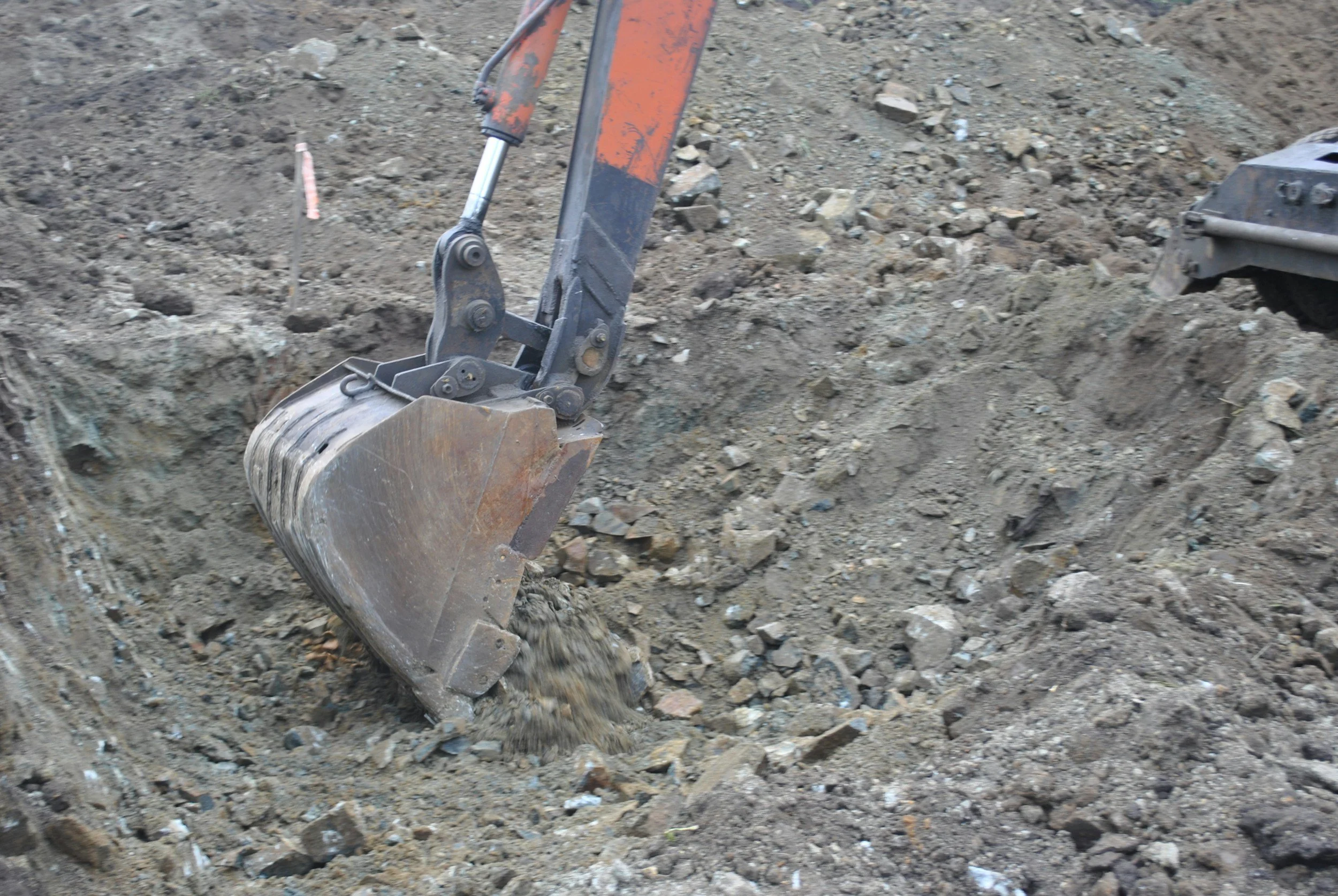
Site preparation is often one of the least understood cost categories, yet it can have a major impact on your budget. This group of costs typically includes:
Clearing, grubbing, and removal of vegetation or debris
Excavation for foundations and utility trenches
Grading and drainage work to shape the site and manage water
Driveway or access road construction
Utility connections for water, sewer or septic, power, gas, and communications
Temporary measures such as erosion control or construction access
How Star Valley and other regions influence site costs:
Soil and geology. Rocky ground, expansive soils, or areas with a high water table can increase excavation costs and may require specialized foundations.
Topography. Building on a gentle slope versus a steep hillside leads to different grading, retaining, and access needs. In Star Valley, orienting the home to views while managing snow and drainage takes thoughtful planning.
Distance to services. Rural or semi rural properties may require longer utility runs, new wells or septic systems, or more extensive driveways. Commercial projects on undeveloped land may need additional work to bring infrastructure to the site.
6. Contingencies: Your Safety Net for the Unknowns
Contingencies are reserved funds in your budget for unknowns and changes. They are not a sign that something will go wrong, they are a recognition that construction always involves some level of uncertainty.
There are usually two main types:
Design contingency. This covers items that are not fully designed or specified at the time of the estimate. As drawings and product selections become more detailed, you refine this portion of the budget.
Construction contingency. This covers unforeseen conditions in the field, small owner driven changes, or minor price shifts during the build.
Projects in regions with variable weather, complex soils, or tight building seasons, such as Star Valley, benefit from realistic contingencies. Commercial projects with complex systems or phased construction also tend to carry higher contingency percentages, since coordination demands are greater.
Why this matters to you: A budget that omits contingencies often looks appealing at first glance, yet it leaves no room for real world conditions. A careful estimate acknowledges what you know and what you do not know yet, then allocates funds accordingly.
How These Components Work Together in Real Budgets
Every construction budget is a balance among these categories. If you choose higher end materials, you may decide to keep the footprint modest. If site preparation turns out to be more involved than expected, you might look at adjusting optional features or finish levels. When the estimate presents clear costs for materials, labor, permits, design, site work, and contingencies, you can make those decisions with confidence.
If you are starting to outline a custom home in Star Valley and want to see how these pieces fit together over the full building process, you can explore our custom home building services. For a deeper sense of how we approach planning and quality, you can learn more about our team on our about page.
Factors Influencing Construction Costs in Star Valley and Beyond
Every construction project sits in a specific place, with its own climate, labor market, codes, and site conditions. Those local realities shape your budget just as much as your floor plan or finish choices. When you understand these factors, you can read estimates with a sharper eye and make calmer, more confident decisions.
This section looks at the key influences on construction pricing in Star Valley, then connects them to broader regional patterns across the United States. It also points out where residential and commercial projects often diverge, so you can anticipate what applies most to your situation.
Labor Availability and Skill Levels
Labor availability is one of the most consistent drivers of cost. Construction depends on skilled people who can frame, pour concrete, install mechanical systems, and manage the project from start to finish.
In Star Valley and similar regions, you should consider:
Size of the local labor pool. Smaller communities often have fewer crews and specialty trades. When demand is strong, schedules tighten and pricing adjusts to reflect that pressure.
Travel and lodging. If certain trades need to come from outside the immediate area, your estimate may include travel time, per diem, or lodging allowances. This can apply to both residential and commercial projects, especially for specialized systems.
Experience with local conditions. Crews who understand regional codes, climate, and typical site conditions usually work more efficiently. That experience shows up in both cost and quality.
Differences for commercial projects: Business owners often need trades with specialized knowledge of commercial mechanical systems, fire protection, and low voltage or controls. Those skills can be in shorter supply in rural or semi rural regions, which can influence both pricing and lead times.
Material Supply and Logistics

Material supply is the second major local factor. Even if you choose standard products, the distance from major distribution centers and the reliability of local suppliers matter.
Key considerations in Star Valley and similar markets:
Freight and delivery. Longer hauls for lumber, roofing, windows, and specialty items can increase delivered material costs. Estimates should reflect actual freight charges, not generic placeholders.
Lead times. Certain products may have longer order times in smaller markets. If material delivery does not align with the schedule, you can see added costs for storage, rescheduling, or temporary workarounds.
Substitutions and alternates. An experienced builder will often propose product lines that perform well and are consistently available in your region. That approach helps stabilize both pricing and schedule.
Residential versus commercial impact: Homes often use a wide variety of finishes and fixtures, which can flex more easily if something is delayed. Commercial projects tend to rely on specific manufacturers or systems to meet performance and code requirements. Those systems may have more rigid lead times, which puts more weight on early coordination and accurate estimating.
Climate and Seasonal Conditions
Climate is not just a comfort issue, it is a cost issue. Temperature swings, snow, wind, and moisture all influence how your building is designed, detailed, and constructed.
In Star Valley, climate affects cost in several ways:
Building envelope performance. Cold winters and significant snow loads often lead to stronger insulation packages, careful air sealing, and durable roofing systems. These choices can raise initial cost but protect comfort and long term operating expenses.
Structural requirements. Roof structures, foundations, and exterior details usually need to respond to local snow and wind conditions. That may mean more robust framing, deeper footings, and specific hardware, all of which belong in the estimate.
Shorter outdoor building season. In climates with longer winters, a tighter construction window can increase the need for careful sequencing. Some work may require temporary heating or weather protection, which appears in both labor and equipment costs.
For business owners, climate can have an amplified effect. Commercial spaces may require larger mechanical systems, snow management strategies for parking and access, and more extensive site drainage. These elements often carry higher upfront cost but are non negotiable from an operational standpoint.
Zoning Regulations and Land Use Limits
Zoning regulations govern how land can be used and what can be built on a given property. While zoning itself does not pour concrete or raise walls, it shapes the design and scope, which in turn affects cost.
Common zoning influences on budgets:
Allowed uses. Residential zoning supports homes, while commercial or mixed use zoning governs business spaces. If your intended use does not align cleanly with current zoning, you may face design changes, approval processes, or additional professional fees.
Height, setback, and coverage limits. Rules about how tall a building can be, how close it can sit to property lines, and how much of the lot it can cover will shape your footprint and form. Sometimes the most cost effective design option is not allowed in a specific zone, which can shift structural and site costs.
Parking and access requirements. Many commercial zones require a specific number of parking spaces and clear access routes for customers, employees, and emergency vehicles. These requirements can significantly influence grading, paving, and site lighting costs.
Residential versus commercial differences: Homeowners in Star Valley usually focus on setbacks, building height, and accessory structure rules. Business owners must also consider use classifications, signage limits, loading zones, and traffic patterns. Those items shape both the design scope and the supporting site work in the estimate.
Building Codes and Inspection Requirements
Building codes set the minimum standards for safety, energy performance, structural integrity, and accessibility. While the broad code framework is similar across much of the United States, local amendments and enforcement practices matter.
How codes influence costs in practice:
Structural and snow load design. Regions like Star Valley often adopt structural requirements that account for significant snow and wind. This can change roof framing sizes, connection details, and foundation design.
Energy codes. Requirements for insulation, air sealing, window performance, and mechanical efficiency directly affect material and labor choices. A compliant building envelope may cost more upfront but should contribute to lower operating costs.
Fire and life safety. Commercial buildings usually require more extensive fire protection features, exit signage, emergency lighting, and sometimes sprinkler systems. These systems involve specialized design, materials, and inspections.
Accessibility. Commercial projects often need to comply with accessibility standards for entrances, parking, restrooms, and interior circulation. Meeting these standards can affect layout, structural details, and finish work.
When estimates align closely with the applicable codes and local enforcement practices, you are less likely to encounter cost increases during plan review or inspections.
Site Conditions and Access
Two similar buildings can have very different costs if their sites differ. The ground under your project, the slope of the land, and the ease of access for crews and equipment all matter.
Key site related influences on cost:
Topography and grading. Sloped or uneven sites often require more excavation, retaining, and drainage work. In Star Valley, homes may be oriented for views, which can introduce specific access and foundation needs.
Soils and subsurface conditions. Rock, expansive soils, or high groundwater levels can require more robust foundations, specialized footings, or drainage systems. These conditions belong in the estimate, not as an afterthought in the field.
Construction access. Narrow roads, long driveways, or limited staging areas can slow work and increase equipment costs. Commercial sites may need temporary traffic control or additional safety measures, which can add line items to the budget.
Residential versus commercial impact: Homeowners usually feel site conditions most in foundation, driveway, and utility costs. Business owners may see a larger share of budget tied up in parking lots, truck access, loading areas, and stormwater management systems.
Market Conditions and Material Pricing Trends
Construction costs do not sit still. Material prices, fuel costs, and labor rates shift over time. While no one can forecast every change, your estimate should reflect current regional conditions, not outdated assumptions.
Some practical ways this appears in Star Valley and beyond:
Local demand cycles. When many projects start at once in a region, both labor and materials can become tighter, which influences pricing and scheduling.
Product availability. Certain materials may experience supply constraints in specific years. A careful estimator considers realistic current pricing and suggests alternates where appropriate.
Contingency for shifts. For longer projects, it is sensible to carry a modest allowance for possible price movement in key categories. Your builder or estimator can help define where that makes the most sense.
What This Means for Your Budget Planning
When you look at a construction estimate, you are not just seeing a list of parts and hours. You are seeing the impact of Star Valley’s climate, labor market, codes, and terrain, or the conditions in whatever region you plan to build.
For homeowners, this means your dream home is grounded in the realities of your site and local requirements, rather than a generic price per square foot. For business owners, it means your commercial project reflects actual use type, regulatory demands, and the systems your operations require.
The key is to treat regional factors as part of the plan, not as surprises. When you and your builder talk openly about labor, material supply, climate, zoning, codes, and site access, you build a budget that respects both your vision and the place where you are building.
If you would like to see how we approach these regional factors for custom homes in Star Valley, you can learn more about our process on our custom home builder page. When you are ready to talk through your own site and priorities, you can schedule a conversation through our contact page.
Step-by-Step Guide to Estimating Your Construction Costs
A reliable construction estimate does not come from a single quick calculation. It comes from a clear, step by step process. When you follow that process, you move from a vague idea of “how much will this cost” to a working budget you can actually use to make decisions for your Star Valley home or your commercial project anywhere in the United States.
What follows is a practical framework you can work through on your own, then refine with your builder, designer, or estimator.
Step 1: Define Your Project Scope in Plain Language
Every accurate estimate starts with a clear description of what you want to build. If the scope is fuzzy, the numbers will be too.
For a Star Valley home, define:
Approximate square footage and number of levels
Number of bedrooms and bathrooms
Garage size and any attached or detached structures
Key spaces such as mudrooms, lofts, home offices, or guest suites
Outdoor areas such as covered porches, decks, or patios
For a commercial project, define:
Type of use (for example retail, office, light industrial, hospitality)
Approximate square footage and layout needs
Specialized spaces such as kitchens, production areas, conference rooms, or storage
Parking, loading, and access needs
Any phasing requirements if the business must stay partially open
Write this scope out in a simple document. Treat it as your “project brief.” You will use it when you speak with designers, lenders, and contractors, and it will anchor every cost conversation.
Plain statement to remember: clear scope, clear estimate. Vague scope, vague estimate.
Step 2: Decide on Overall Quality Level and Finish Direction
You do not need to pick every product today, but you do need to decide the general level of finishes and systems you expect. Your choices here have a strong impact on cost.

Use a simple tiered framework for both homes and commercial spaces:
Tier 1 basic, durable, cost conscious
Tier 2 mid range, balanced between durability, appearance, and price
Tier 3 higher end, more custom features, upgraded systems or finishes
Then, apply that tier choice to each major category.
Exterior materials (siding, roofing, windows, doors)
Interior finishes (flooring, cabinets, countertops, trim, paint)
Mechanical systems (heating, cooling, ventilation, controls)
Lighting and electrical (fixtures, controls, specialty power needs)
Site features (driveways, parking, landscaping, exterior lighting)
You might choose Tier 3 for building envelope performance in Star Valley, Tier 2 for most finishes, and Tier 1 for secondary areas such as storage or back of house. For a commercial space, you may prioritize robust mechanical systems and durable, low maintenance finishes where traffic is highest.
Document these tier decisions alongside your scope. Your builder or estimator can then match each tier with realistic price ranges without guessing.
Step 3: Break the Project into Cost Categories
Next, organize your project into the same major cost components outlined earlier in this guide. Use a simple list or spreadsheet with these headings:
Site preparation and utilities
Foundations and structure
Exterior envelope and roofing
Mechanical, electrical, and plumbing systems
Interior partitions and finishes
Specialty items and built ins
Permits and inspections
Design and professional fees
Contingencies and allowances
Under each heading, list the elements you know you will need. For example, under “site preparation and utilities,” note driveway length, anticipated grading, well or septic versus municipal connections, and any known access challenges. For a commercial property, add parking lot size, site lighting, and loading areas.
You now have a structure that matches how most professionals think about costs. That structure makes every later estimate, bid, or revision much easier to understand.
Step 4: Gather Preliminary Cost Ranges
With scope and categories defined, you can begin to attach preliminary numbers. At this stage, you are not looking for final bids. You are building a realistic early picture.
Practical ways to gather ranges:
Speak with one or two builders who regularly work in your region and ask for broad ranges for projects similar in size and quality to yours
Consult with a designer or estimator who can apply typical regional costs to your scope and finish tiers
Use reputable cost reference tools that allow you to input location, building type, and quality level, then produce category level ranges
For each major category in your spreadsheet, assign a preliminary range or placeholder number based on the input you receive. Keep notes about where each figure came from. If you are planning a Star Valley home, make sure the ranges account for climate, access, and typical local systems, not generic national averages.
This step is not about precision. It is about testing whether your vision and your budget are in the same general territory.
Step 5: Refine with Targeted Quotes for Key Items
Once you have a broad picture, you can sharpen it by getting more specific where it matters most.
Focus on categories that drive a large share of cost, such as:
Framing and structure
Mechanical, electrical, and plumbing systems
Windows and exterior doors
Roofing and siding
Site work and utilities
Work with your builder or designer to request conceptual or preliminary quotes from key trades and suppliers based on your scope and finish tiers. These are not final contracts. They are informed ballpark figures that anchor your estimate in real market pricing.
For a commercial project, add early input from mechanical engineers, low voltage contractors, and any specialty system providers. For a Star Valley home, pay close attention to envelope details, heating systems suited to the climate, and access related site work.
Update your spreadsheet with these refined numbers, replacing earlier placeholders where you now have better data.
Step 6: Set Realistic Allowances for Unselected Items
There will always be items you are not ready to choose at estimate time. Instead of leaving them blank, create reasonable allowances.
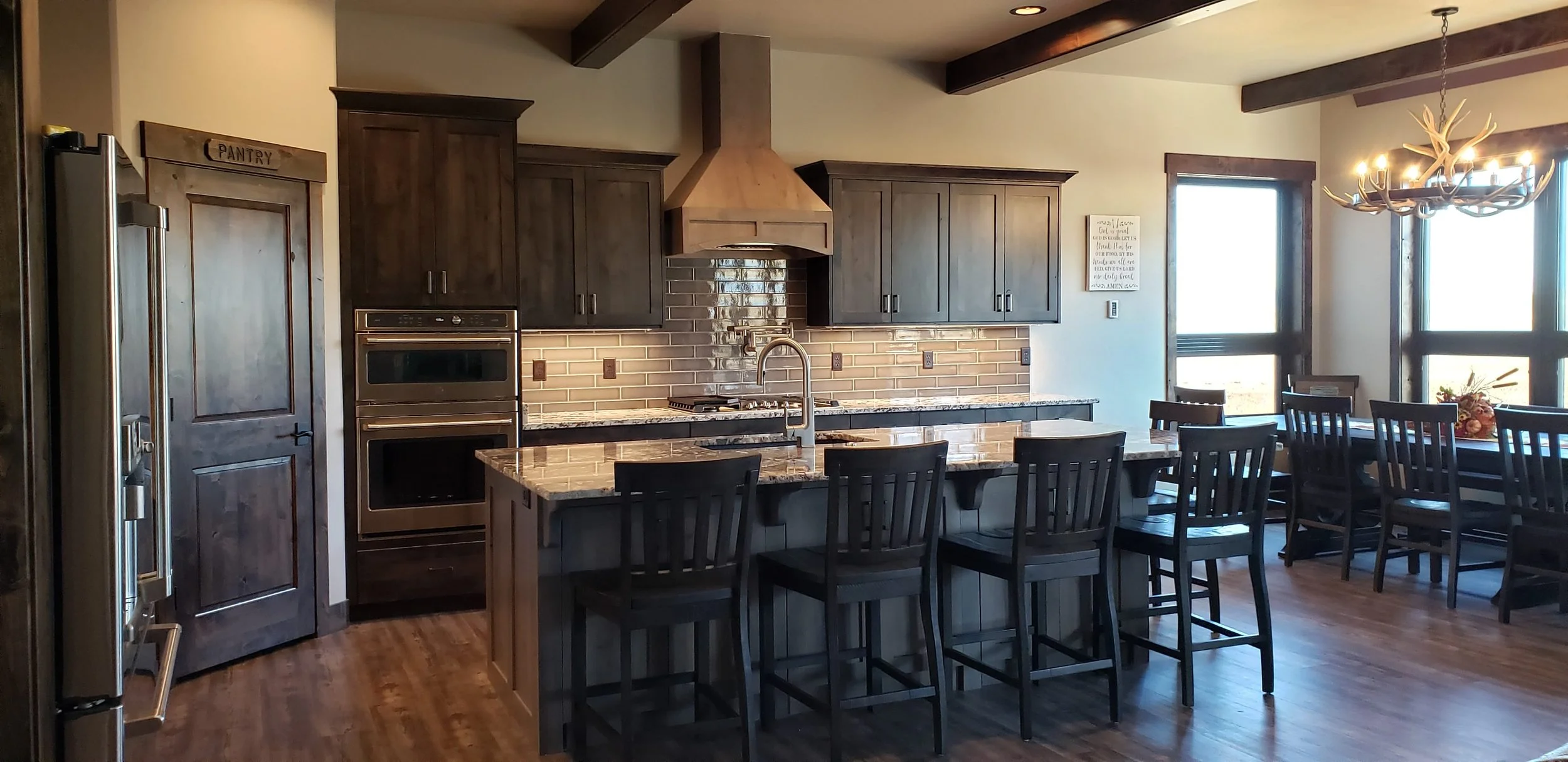
Common allowance categories for homes:
Cabinets and countertops
Flooring and tile
Plumbing fixtures and decorative lighting
Appliances
Common allowance categories for commercial spaces:
Tenant specific specialty equipment
Interior branding elements and signage
Furnishings and loose fixtures
For each allowance, agree on a realistic per unit or total number based on your quality tier and local pricing. Write the allowance amount and the basis for it directly in your estimate. This transparency lets you see exactly how much flexibility you have when you go to make final selections.
Step 7: Apply Contingencies Thoughtfully
Contingencies are where you protect your project from surprises. They are not extra profit for the builder. They are your safety net.
Use two separate lines in your estimate:
Design contingency for areas where the design is still evolving or the scope is not fully defined
Construction contingency for unknown site conditions, minor changes, and market shifts during the build
The percentage or amount you assign to each will depend on how far along your plans are, how complex the project is, and how much risk you are comfortable carrying. A project that is early in design or has challenging site conditions usually calls for higher contingencies than a straightforward build on a simple site.
For Star Valley, you may choose to keep contingencies more robust until site work and foundations are complete, since weather and subsurface conditions can affect both cost and schedule.
Step 8: Review, Test, and Adjust Against Your Budget
At this point, you have a structured estimate with:
A written scope of work
Defined quality tiers for each major category
Category level cost ranges grounded in regional input
Targeted quotes for key items
Clear allowances for unselected items
Separate design and construction contingencies
Add up the totals and compare them with your target budget. If the estimate comes in higher than you expected, resist the urge to cut blindly. Instead, work through a simple adjustment process with your builder or designer.
Identify which categories are most out of line with your comfort level
Explore scope changes that preserve function but reduce cost, such as simplifying the footprint or adjusting non critical spaces
Consider shifting finish tiers in selected areas rather than across the entire project
Revisit allowances that feel more generous than you need
The goal is not to force the project to match an arbitrary number. The goal is to align scope, quality, and budget in a way that still delivers a home or business space you are proud of.
Step 9: Keep the Estimate as a Living Document
An estimate is not a one time exercise. It should evolve as drawings develop, selections are made, and more detailed bids arrive.
Use your spreadsheet or budget document as a living tool.
Update numbers when you make firm selections or sign trade contracts
Track how changes in one category affect the total
Monitor contingency balances as you move through major phases such as site work, framing, and finishes
For a Star Valley home, this living estimate will guide you through a climate and season sensitive build. For a commercial project, it will help you coordinate with lenders, internal stakeholders, and your operations schedule.
The consistent benefit is the same: you always know where you stand, and you can make informed decisions instead of reactive ones.
If you would like a visual sense of how a clear scope and thoughtful estimating process translate into finished spaces, you can browse completed projects in our custom home gallery.
Common Challenges and Pitfalls in Construction Cost Estimation
Even careful, honest people run into trouble with construction budgets. The problem is rarely a single dramatic mistake. It is usually a series of small oversights that add up until the numbers no longer match the original plan.
When you understand the most common pitfalls, you can build a Star Valley home or a commercial space anywhere in the United States with far fewer surprises. This section walks through those issues and gives you practical ways to avoid them through clear planning and steady cost review.
1. Underestimating “Unknown” and Hidden Conditions
Construction always involves some level of uncertainty. Soil that looks simple can hide rock. An existing commercial space can conceal aging systems in the walls or above the ceiling. If your estimate assumes everything will go perfectly, you are setting yourself up for stress.
Typical blind spots include:
Subsurface conditions such as rock, groundwater, or unstable soils
Existing structural issues uncovered during renovation
Old mechanical, electrical, or plumbing systems that cannot be reused safely
Access complications that slow down equipment and deliveries
How to avoid this pitfall:
Ask your builder what “unknowns” they see for your specific site or building and how they are reflected in the estimate
Build in realistic allowances for exploratory work on renovations, such as limited demolition to verify conditions before final pricing
For Star Valley homes, treat foundations, excavation, and utility runs as areas that deserve extra attention and contingency, given local terrain and weather
Key idea: Assume you will uncover at least a few surprises, then budget for them on purpose.
2. Ignoring Permit, Impact, and Inspection Costs
Permit and inspection fees rarely feel exciting, yet they are a real and sometimes significant part of your total cost. Many first time builders focus on lumber, finishes, and trades, then discover they never accounted for jurisdictional costs that must be paid before or during construction.
Common misses in this category:
Building permit fees tied to project size or valuation
Separate trade permits for electrical, plumbing, and mechanical work
Plan review fees charged by building departments or fire authorities
Impact or connection fees for utilities, where applicable
For commercial properties, there may be further fees related to life safety, accessibility reviews, or change of occupancy. These can appear late in the process if no one planned for them early.
How to protect your budget:
Request a specific “Permits and Fees” section in every estimate you review
Clarify whether the builder’s number includes all known jurisdictional fees or only some of them
Contact your local building department or planning office with your project description and ask what typical fees apply; use that information to check your estimate
When these items are visible as a line in your budget, they stop being surprises and become just one more planned cost of doing the project correctly.
3. Overlooking Inflation and Market Fluctuations
Construction pricing does not stay static. Material and labor costs move over time. If your estimate is based on older numbers or assumes conditions will stay identical over a long schedule, you can find yourself short later, even if the original work was careful.
Where this often shows up:
Projects that sit in design for a long period before permits and bidding
Homes or commercial buildings that are phased or built out over an extended schedule
Long lead materials, such as certain mechanical equipment or specialty finishes, priced early but ordered much later
Practical ways to address market movement:
Confirm the date of any estimate and ask your builder how long the pricing assumptions are valid
For projects with a longer runway, ask for a line in the budget that recognizes potential price movement on key categories such as structural materials or mechanical systems
Plan to revisit and refresh your estimate at defined milestones, for example, when schematic design is complete, when construction documents are finished, and just before signing a build contract
For a Star Valley custom home, where seasons and access can affect schedule, this steady review becomes even more important. For business owners, aligning updated estimates with financing reviews keeps your project grounded in current conditions, not last year’s assumptions.
4. Failing to Include a True Contingency Reserve
Many budgets look tidy because there is no visible contingency. The numbers total cleanly, but there is no room for reality. When something shifts, owners are forced to cut quality, delay work, or reach for funds they did not intend to spend.
Common mistakes with contingencies include:
Omitting them entirely to keep the headline number low
Including a very small, generic amount with no connection to project risk
Treating contingency as “extra money” to be spent on upgrades early in the build
A better approach:
Separate design contingency from construction contingency in your estimate, so you can see what each one covers
Adjust contingency levels based on project phase and complexity; early design and challenging sites deserve more protection than simple projects with complete documents
View contingency as a safety net that should only be used when a real need appears, not as a wish list fund
For Star Valley homes, conditions like variable soils, snow loads, and weather sensitive access are clear reasons to carry a meaningful contingency. For commercial projects, complex systems, occupancy requirements, and coordination among many trades are similar drivers.
5. Underestimating Owner-Driven Changes
As you see drawings, materials, and spaces take shape, it is natural to refine your preferences. The challenge comes when estimates forget that many owners will make adjustments along the way. Even small changes can have ripple effects across trades and schedules.
Common sources of added cost from changes:
Layout shifts that affect framing, mechanical runs, and finishes
Upgrading finishes after contracts are signed, which can affect both material and labor
Adding features late, such as extra built ins, specialty lighting, or tech systems
Ways to limit the financial impact:
Use the planning and estimating process to explore options before construction begins, when changes are far less expensive
Ask your builder to explain the cost and schedule impact of any change before you approve it
Reserve a portion of your contingency for owner driven changes that genuinely matter to you
The goal is not to avoid all change. It is to make changes consciously, with a clear view of how they affect your budget.
6. Treating the Estimate as Fixed, Instead of a Living Tool
Many owners treat the first detailed estimate as the final word. They file it away, then discover months later that decisions, selections, and site conditions have drifted away from the original plan. By that time, the gap can be wide.
This often shows up as:
Outdated allowances that no longer match actual selections
New scope added informally that never found its way into the budget
Untracked use of contingency funds until little remains for true surprises
How to keep control:
Agree with your builder that the estimate will be updated at key milestones, such as permit submission, contract signing, completion of site work, and start of finishes
Request a simple, current budget summary at each milestone, showing original amounts, approved changes, and remaining contingency
Keep a copy of your budget spreadsheet or summary, and review it alongside each change order before you sign
For Star Valley homeowners, where schedule and season play a larger role, this steady review provides calm throughout the build. For business owners, it supports clear communication with partners, lenders, and internal teams who need accurate financial information.
7. Relying on Generic “Price Per Square Foot” Shortcuts
Price per square foot can be a useful early indicator, but it is a poor tool for detailed planning. Two projects with similar size can have very different costs because of site conditions, structural complexity, mechanical needs, and finish choices.
Risks of leaning too hard on simple averages:
Underestimating complex spaces, such as kitchens, mechanical rooms, or high finish areas
Ignoring the added cost of steep sites, long utility runs, or commercial parking and access
Assuming regional averages match your specific location, such as Star Valley versus a major metropolitan area
A more reliable method:
Use broad price per square foot ranges only at the very beginning, just to test basic feasibility
Move as quickly as practical to a component based estimate that separates structure, finishes, systems, site work, and soft costs
Compare category by category when you review bids, instead of only looking at total cost or price per square foot
This approach respects the uniqueness of your home site or business property and gives you far more control over tradeoffs.
Turning Pitfalls into a Practical Review Checklist
You do not need to become a professional estimator to avoid common mistakes. You do need a clear set of questions you ask every time you review a budget. Use this simple checklist as a frame:
Have we addressed likely unknowns and hidden conditions for this site or building.
Are all permits, impact fees, and inspections listed as line items.
Does the estimate reflect current market pricing, and when was it last updated.
Is there a clear, realistic contingency reserve, separated into design and construction.
How are owner driven changes tracked and reflected in the budget.
Is this estimate treated as a living document, with planned updates at key milestones.
Are costs broken out by category instead of relying only on price per square foot.
When you use questions like these, you stay engaged with your budget rather than reacting to it. Your Star Valley home or your commercial project becomes a managed process instead of a moving target.
How to Work Effectively with Builders and Contractors on Cost Estimates
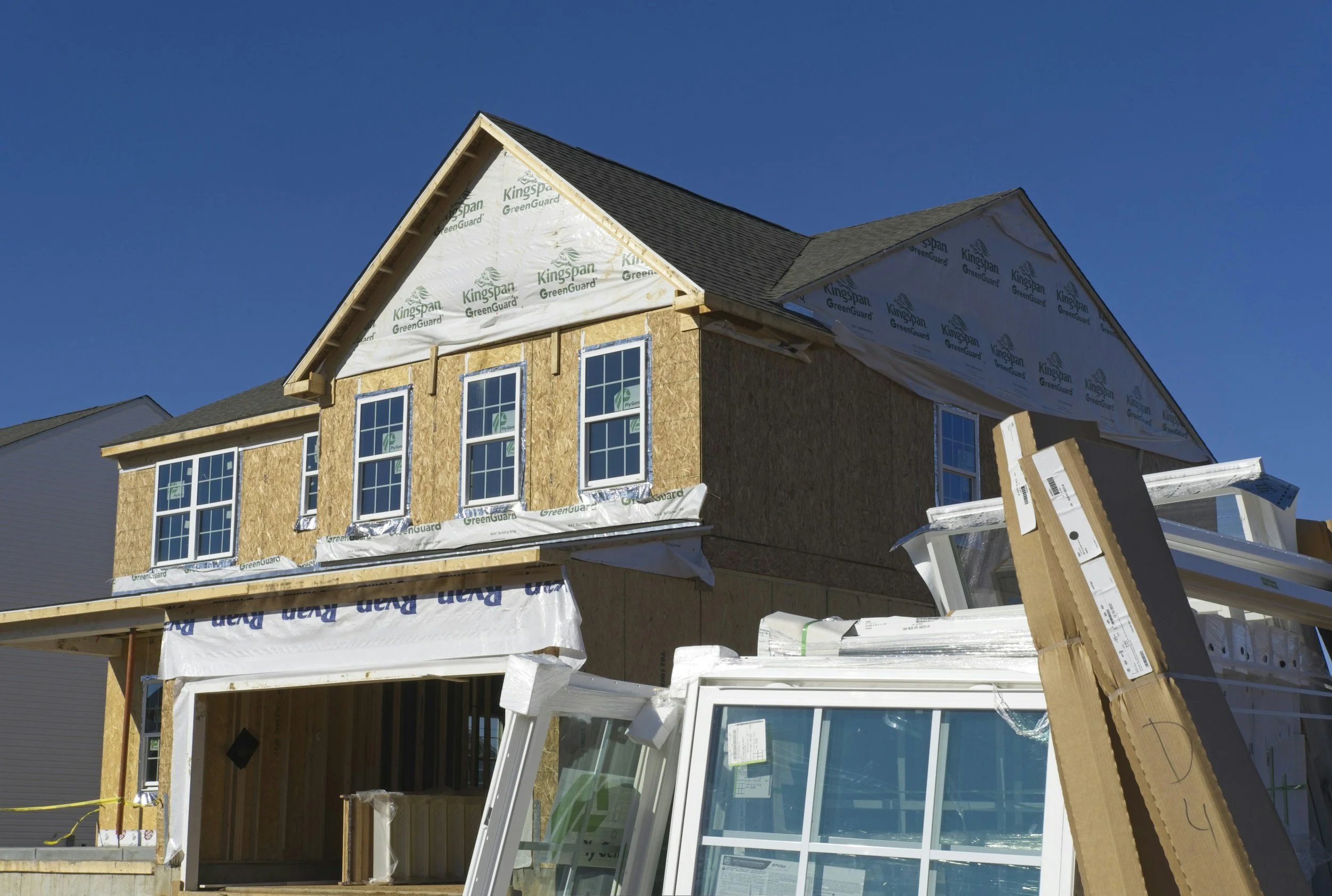
A clear, accurate estimate depends on more than a good spreadsheet. It depends on how you and your builder work together. When expectations are specific and communication is steady, your Star Valley home or commercial project stays aligned with your budget instead of drifting away from it.
This section outlines practical ways to request, review, and manage cost estimates so that you, your builder, and your contractors share the same understanding of scope, quality, and price.
Start With a Complete, Written Project Brief
The quality of the estimate will only be as strong as the information you provide. Before you ask for numbers, prepare a simple written brief.
Include at least:
Location of the project, including any known site constraints
Project type, such as custom home, renovation, tenant improvement, or new commercial building
Approximate size in square footage
Intended use, such as full time residence, vacation home, retail, office, or production space
Desired start date and preferred completion timeframe
General quality level for finishes and systems, using the tiered approach described earlier in this guide
Share the same brief with every builder you speak with. This keeps the playing field level and avoids a situation where each contractor is pricing a different project in their mind.
Plain rule: the more complete your brief, the more accurate the estimate.
Ask for a Structured, Itemized Estimate
When you request an estimate, do not ask only for “a price.” Ask for a structured estimate that groups costs into clear categories and line items. This gives you visibility and makes comparison possible.
Request that the estimate separate at least the following:
Site preparation and utilities
Foundations and structure
Exterior envelope, windows, and roofing
Mechanical, electrical, and plumbing systems
Interior partitions and finishes
Specialty items and built ins
Permits, fees, and inspections
Design and professional services, if included
Allowances and contingencies
For commercial projects, ask that any code driven systems, such as fire protection, low voltage, and accessibility features, appear in clear sections as well. In Star Valley, request that foundation, envelope, and site work costs reflect local climate and terrain, not generic assumptions.
Why this matters: a one line proposal leaves you guessing where the money goes. A line item estimate shows you where decisions can be adjusted without harming core quality.
Clarify What Is Included and What Is Excluded
Misunderstandings often come from assumptions, not from bad intent. Two parties think they are talking about the same scope, but they are not. You can avoid many problems by asking one focused question for each estimate you receive.
Ask your builder to identify:
Items clearly included in the price
Items clearly excluded and not priced
Items covered by allowances, with the amount and basis for each allowance
Pay particular attention to site related items and owner supplied products.
For Star Valley homes, confirm treatment of driveways, excavation, rock removal, wells or septic systems, and any temporary winter measures
For commercial properties, confirm how the estimate handles parking, loading, signage, tenant specific equipment, and low voltage systems
Have the builder write inclusions and exclusions directly into the estimate or proposal. Verbal comments are easy to forget. Written notes are much easier to track and honor.
Review Allowances With a Critical Eye
Allowances are a practical tool, but they can quietly distort the real cost if they are set too low. When you see an allowance, treat it as a starting point for a conversation, not a fixed fact.
For each allowance, ask:
What does this allowance assume about quality level or product line
Is the amount based on recent projects in this region, or a generic placeholder
What happens if actual selections come in higher or lower than the allowance
For a Star Valley home, check allowances for windows, insulation, roofing, and heating systems carefully, since climate often pushes these toward higher performance products. For a commercial build, look closely at lighting, flooring, and mechanical systems, which tend to carry a large share of the budget.
If an allowance feels unrealistically low for your goals, ask the builder to adjust it upward so the estimate reflects what you genuinely expect to choose. It is better to see that reality now than to face a string of overage notices later.
Compare Bids by Structure, Not Just by Total
When you receive more than one estimate, it can be tempting to skip to the last page and compare totals. That approach often leads to stress later. A lower number does not help you if it came from missing scope, thin allowances, or omitted contingencies.
Use a simple comparison checklist instead:
Are all builders pricing the same written scope of work
Do they break costs into similar categories so you can compare line by line
How do allowances for key items such as windows, finishes, and systems compare
Does each estimate include a clear contingency, or has one builder removed contingency to appear lower
Are permits and professional fees included or listed as owner responsibilities
If two bids differ significantly, ask each builder to walk you through their approach. Sometimes one proposal includes more complete site work, higher performance systems, or greater supervision. That higher number might be the honest one.
Guiding thought: do not choose a number until you understand what stands behind it.
Set Clear Communication Expectations Up Front
A well structured estimate is the start. Keeping your project on budget requires regular, honest communication as work progresses. Before you sign a contract, agree on how you will handle cost information together.
Agree on the following points with your builder:
How often you will receive budget updates, such as monthly or at key phases
What format those updates will take, for example a summary plus detailed line items
How change orders will be presented and approved
How allowances will be tracked as you make selections
Who on the builder’s team is your main contact for cost related questions
For Star Valley projects with shorter building seasons, it helps to tie cost updates to weather sensitive milestones, such as completion of excavation, foundations, framing, and exterior closure. For commercial projects, align updates with any internal reporting you must provide to partners or lenders.
Clear communication reduces anxiety. When you know how and when you will see numbers, you can focus on decisions rather than worry about hidden costs.
Use Meetings to Clarify, Not to Rush Decisions
Meetings with builders are your chance to ask questions, test assumptions, and refine scope. They work best when they are focused and calm, not rushed.
To get the most value from each meeting:
Review the current estimate before you meet and highlight any lines you do not understand
Bring written questions about inclusions, exclusions, or allowances
Ask the builder to explain any terms or abbreviations in plain language
Request a simple summary of how proposed changes will affect the total budget
If you are building a home in Star Valley, you might dedicate one meeting to site and envelope costs, another to interiors, and another to schedule and phasing. For a commercial project, you might structure meetings around shell, interior buildout, and systems, so each discussion has a clear focus.
At the end of each meeting, agree on next steps and who will update the estimate. A short follow up email that confirms changes in writing can prevent later confusion.
Be Honest About Your Budget Range
Some owners hesitate to share their true budget out of concern that builders will “use it all.” In practice, withholding your budget can lead to more misalignment, not less. Builders price what they hear, not what they cannot see.
A practical approach:
Share a realistic budget range, not a single rigid number
Explain which aspects of the project are non negotiable and which are flexible
Invite the builder to suggest scope or specification adjustments that keep you within that range
When a builder knows that a particular target must be respected, they can help you prioritize. For instance, you might keep structure and envelope quality high in Star Valley, but adjust finish levels in secondary rooms. In a commercial space, you might preserve mechanical performance and code compliance while simplifying some aesthetic elements.
Honest budget conversations create better designs and more accurate estimates.
Request Written Change Orders for Any Scope Shift
Scope rarely stays perfectly static through an entire construction project. As changes arise, the way they are documented will determine how clearly you understand their cost impact.
Ask your builder to follow a consistent change order process:
Describe each change in writing, including what is added or removed
Provide a clear cost impact, both increase or decrease
Note any schedule impact, if applicable
Update the running budget summary to reflect the new total
Sign only when you understand the full picture. If a change is presented verbally, request that it be documented and priced before you approve it. This protects both you and the builder by keeping expectations aligned.
Choose Builders Who Value Transparency as Much as Craft
The right partner matters. A contractor who takes pride in clear estimates, honest allowances, and patient explanations will help you keep control of your Star Valley home budget or your commercial project budget over the entire journey.
As you interview builders, pay attention to how they handle your early cost questions.
Do they explain their estimating process openly
Are they willing to show how numbers break down by category
Do they acknowledge regional factors, such as climate, labor, and access, rather than brushing them aside
Do they welcome thoughtful questions about allowances and contingencies
A calm, structured estimating process is usually a good indicator of a calm, structured build. If you want to reflect further on how to define success for your project and your own comfort level with risk, you may appreciate our perspective, give us a call to learn more!
The goal is simple: you and your builder should be looking at the same set of numbers, the same scope, and the same expectations. When that happens, cost estimating becomes a shared tool, not a source of tension.
Using Technology and Tools to Improve Construction Cost Accuracy
Thoughtful planning and honest communication sit at the heart of accurate construction estimates. Technology does not replace that judgment, but it does make the work clearer, faster, and easier to track. When you combine professional insight with the right digital tools, you gain a more precise picture of your Star Valley home or your commercial project, from first ideas through the last invoice.
This section walks through the main types of tools you can use, how they fit into the estimating process, and what to watch for so the technology works for you instead of the other way around.
1. Estimation Software: Structuring the Numbers
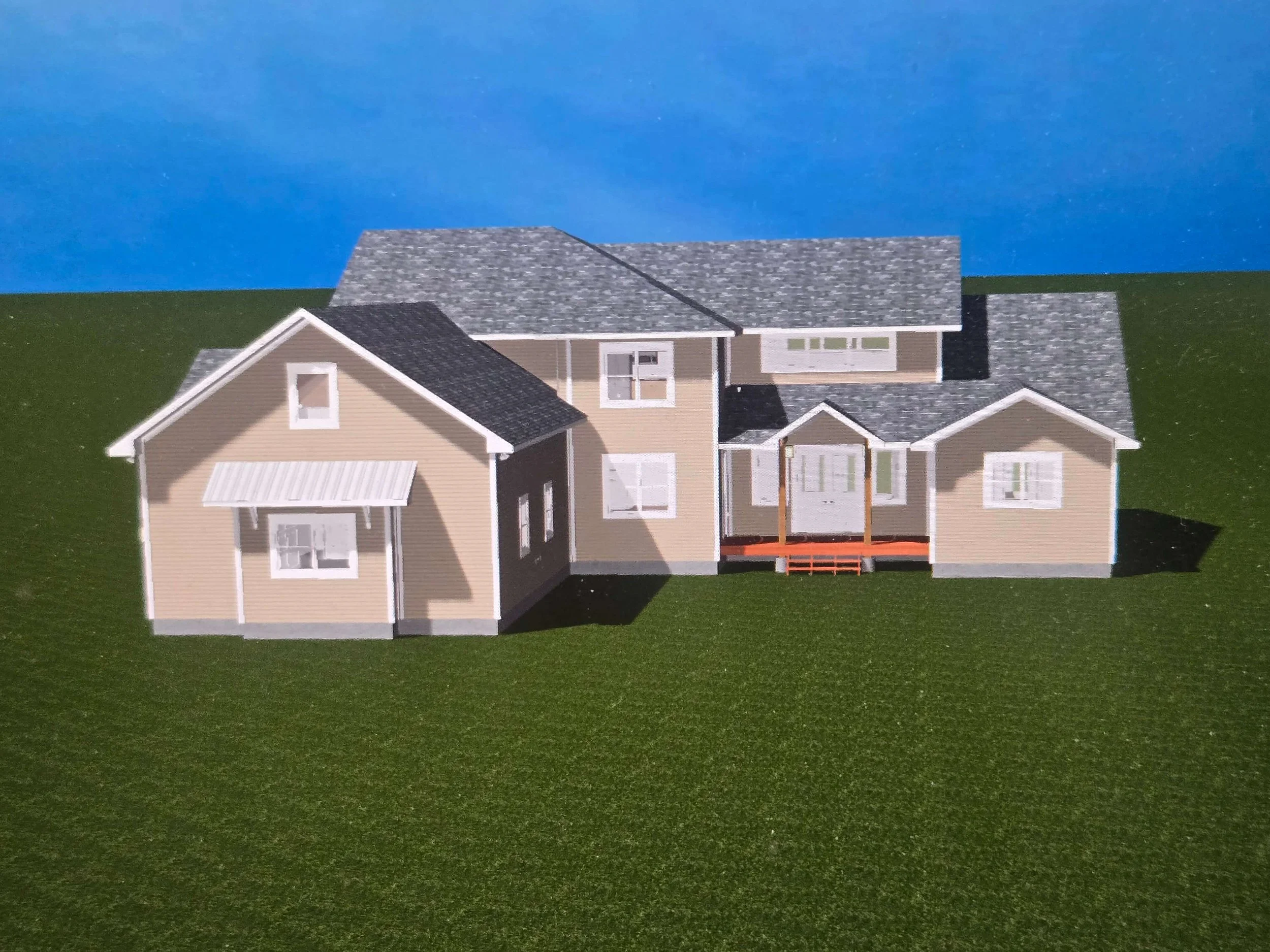
Estimation software is the backbone for many builders and estimators. These programs organize costs into clear categories, apply regional pricing data where available, and help keep everything consistent from one project to the next.
How estimation software supports your project:
Consistent structure. Software encourages the use of standardized categories, such as site work, structure, envelope, mechanical systems, and finishes. This structure makes it easier for you to see where money is going and to compare options calmly.
Regional adjustments. Many platforms allow estimators to apply location factors for different areas in the United States. When used thoughtfully, this keeps a Star Valley estimate grounded in local realities instead of generic national averages.
Built in checklists. Digital templates reduce the chance that smaller items are missed. When the software prompts for line items such as temporary utilities, waste removal, or construction access, they are more likely to appear in your budget instead of showing up later as surprises.
Faster revisions. As your scope shifts or selections change, software makes it easier for your builder to update numbers, compare versions, and show you how each decision affects the total.
When you review an estimate, ask whether your builder uses a structured digital tool or relies only on manual methods. The answer does not guarantee quality, but a well chosen estimation platform usually reflects a commitment to clarity and repeatable process.
2. Online Cost Calculators: Early-Stage Budget Testing
Online cost calculators can give you a rough sense of budget early in the planning process. They are not a substitute for a professional estimate, but they can help you gauge whether your initial ideas sit anywhere near your financial comfort zone.
Used carefully, calculators can help you:
Test different square footage ranges against broad cost assumptions
Compare general quality tiers, such as basic versus higher finish levels
See how construction type, such as residential versus commercial, affects broad pricing patterns
Use these tools with clear limits:
Treat calculator results as a starting range, not a promise
Remember that unique local factors in Star Valley, such as climate, terrain, and access, can shift real costs away from online averages
Use calculator output to frame conversations with builders and designers, not to argue against detailed estimates that reflect actual site and scope
The most useful role for a calculator is simple. It helps you decide whether to move forward to the more detailed work of professional estimating, or to adjust the concept before investing significant time and fees.
3. Digital Budgeting Templates: Keeping Everything in One Place
Budgeting templates, whether in spreadsheet form or through a project management platform, give you a clear home for every number related to your build. This is where you see the full picture, rather than scattered figures in different emails and documents.
A practical template for both homes and commercial spaces should:
Mirror the main cost categories in your estimate, such as site work, structure, systems, finishes, permits, design, and contingencies
Include separate columns for original budget, current estimate, committed costs, and actual spending
Track allowances, with space to note the basis for each and the status of selections
Show contingency balances clearly so you always know how much safety net remains
You can build this template yourself in a simple spreadsheet, or your builder may provide one as part of their process. The key is consistency. Use the same structure from early estimating through final payments.
For a Star Valley home, your budgeting template becomes a steady reference as you move through a season sensitive schedule. For a commercial project, it supports internal reporting for partners or finance teams who need clear, current numbers.
4. Project Management Platforms: Connecting Scope, Schedule, and Cost
Construction project management platforms bring communication, documents, schedules, and financial tracking into one place. Many builders now use these tools to coordinate with owners, architects, and trades.
Benefits you may see as a homeowner or business owner include:
Centralized information. Plans, specifications, estimates, and change orders live in a single location. You are less likely to lose track of which version is current.
Real time updates. When a change order is approved or an allowance is adjusted, the platform can update budget summaries automatically. You see the effect on the total without waiting for a separate report.
Clear approval paths. Many systems let you review and approve cost related items digitally. That keeps a clear record of what was agreed and when.
Communication history. Messages and notes about cost decisions stay attached to the relevant item. This reduces misunderstandings about what was discussed.
If your builder uses such a platform, ask them to walk you through its budget view early in the project. A short orientation can make the tool feel straightforward instead of overwhelming.
5. Digital Takeoff Tools: Measuring with Greater Precision
Digital takeoff tools allow estimators to measure areas, lengths, and counts directly from electronic drawings. They reduce manual error and speed up the process of turning plans into quantities.
How this supports accurate estimating:

More precise counts of items such as windows, doors, fixtures, and fittings
Accurate area measurements for finishes, roofing, and insulation
Clear connection between drawings and quantities, which helps when plans are revised
For complex commercial projects, digital takeoff tools help keep intricate systems organized. For Star Valley homes, they help your builder account for details such as varied roof planes, porches, and decks more reliably than hand sketches alone.
You may never use these tools personally, yet knowing that your estimator relies on them should increase your confidence in the underlying quantities that drive your cost.
6. Cash Flow and Forecasting Tools: Matching Spending to Reality
Cost accuracy is not only about totals, it is also about timing. Cash flow and forecasting tools help you see when major outlays will occur and whether they align with your financing or business needs.
Useful features include:
Projected spending by month or by construction phase
Ability to model different schedule scenarios
Comparison of forecasted versus actual spending as the project progresses
For a homeowner, this can be as simple as a spreadsheet linked to your estimate and a rough schedule. For a business owner, you may integrate project forecasts with your broader financial planning tools.
By mapping spend against time, you avoid situations where funds arrive out of sync with construction demands. That protects both your project and your peace of mind.
7. Document Management and Version Control: Protecting the Basis of Your Estimate
Your estimate is only as reliable as the drawings and specifications behind it. Document management tools help everyone work from the same set of information.
Look for simple but important practices:
Clear naming for drawing sets and revisions
Shared access to current plans and specifications for you, your builder, and your design team
A habit of marking older files as superseded so they are not used by mistake
Whether your team uses a formal platform or a well organized shared folder, consistent document control reduces the risk that pricing reflects outdated plans. That is just as important for a Star Valley custom home as it is for a multi tenant commercial build.
How to Choose Tools That Fit Your Comfort Level
You do not need to learn every piece of software your builder uses. You do benefit from choosing a level of digital involvement that matches your style and helps you stay informed without adding unnecessary stress.
A practical way to decide what you need:
Clarify your priorities. Decide whether your main concern is high level clarity, granular tracking of every line, or something in between.
Ask your builder what they already use. It is often easier to plug into their existing systems than to introduce new ones.
Request simple owner friendly views. For example, ask for a one page budget summary backed by detailed line items you can review when needed.
Set a rhythm. Choose how often you want digital updates, for instance at monthly intervals or key milestones.
The goal is not to become a software expert. The goal is to have clear, accessible information about how your money is being used throughout the project lifecycle.
If you ever feel that the tools are making things more confusing instead of clearer, say so. A good builder will adjust how they share information or provide a more straightforward format without complaint. Your understanding of the budget matters as much as the precision behind it.
For perspective on how thoughtful systems support long term growth and calm decision making, you may find it helpful to speak with us directly. The same mindset applies to construction cost planning, small, well chosen tools and processes create a more manageable project from start to finish.
Budget Management Strategies After Estimating Construction Costs
Once you have a solid construction estimate, the work is not over. The estimate is your starting map, not the finished journey. The next step is to turn those numbers into a clear budget you can manage from the first deposit through the final walk through, whether you are building a Star Valley home or a commercial property elsewhere in the United States.
This section focuses on four practical areas: how to fold your estimate into a full project budget, how to monitor spending during construction, how to make adjustments when conditions change, and how to prioritize what truly matters so the project stays financially sustainable.
1. Turn Your Estimate into a Working Budget
Your estimate already breaks costs into categories. To manage a project over time, you need to turn that estimate into a working budget that connects categories, timing, and cash flow.
Start by building a simple budget structure:
Create a list or spreadsheet with the same categories used in your estimate, such as site work, structure, envelope, mechanical systems, finishes, permits, design, and contingencies.
For each category, include columns for: original estimate, approved changes, current budget, committed costs, and actual spending.
Add separate lines for design contingency and construction contingency so you can track how much reserve remains.
Keep this document aligned with your contract and any lender requirements. If you are financing a Star Valley custom home, match your categories to the lender’s draw schedule as closely as possible. For a commercial project, align the budget with internal cost codes or accounting categories so reporting stays clean.
Key principle: the estimate shows “what it should cost.” The budget shows “what we planned, changed, and actually spent.” Both matter.
2. Plan Cash Flow Around Construction Phases
A project can be fully funded on paper yet still feel tight if money does not arrive when invoices do. Avoid that strain by mapping costs against phases of work.
Organize your budget by major phases, such as:
Preconstruction (design, surveys, engineering, permits)
Site work and foundations
Framing and structural shell
Exterior envelope and roofing
Rough mechanical, electrical, and plumbing
Insulation and drywall
Interior finishes and fixtures
Exterior hardscape and final site work
Estimate what portion of the total budget will be spent in each phase. You do not need perfect precision, you need a reasonable picture. Then compare that phase map with your financing or available cash.
For homeowners, confirm that construction draws or personal funds will be available before each major phase begins.
For business owners, coordinate with your finance team so project payments align with broader cash flow and any operational needs.
In Star Valley, keep climate in mind. Site work, foundations, and exterior closure often need to follow seasonal windows. This can concentrate spending in specific months. Plan your cash accordingly, rather than assuming costs will spread evenly.
3. Monitor Spending During Construction
Once construction starts, budget management becomes a steady rhythm rather than a one time task. The goal is to catch small drifts early, when they are still easy to correct.
Set a clear review schedule with your builder:
Agree on how often you will receive budget updates, for example monthly or at the completion of each major phase.
Request a simple summary that shows, by category, the original budget, approved changes, current budget, committed costs, and actual paid amounts.
Ask for a separate line that tracks remaining contingency.
When you receive an update, review it calmly but consistently.
Look for categories where committed or actual costs are approaching or exceeding the current budget.
Ask what is driving any overage, for example scope change, material choice, or field conditions.
Discuss whether you can offset an increase in one category with savings in another, or whether contingency should be used.
For a Star Valley home, treat the completion of excavation, foundation, and framing as critical checkpoints. These phases often reveal site conditions and structural realities that influence downstream costs. For a commercial project, key checkpoints often include completion of shell work, rough mechanicals, and major interior systems.
Short, regular reviews prevent long, stressful surprises.
4. Make Thoughtful Adjustments When Conditions Change
Even with careful planning, conditions shift. You may encounter unexpected rock in a foundation trench, decide to upgrade certain finishes, or see a supplier change pricing. Effective budget management does not avoid every change, it handles change in a deliberate way.
Use a simple adjustment framework whenever something shifts:
Clarify the trigger. Identify exactly what changed, such as a site condition, design revision, owner choice, or market price.
Quantify the impact. Ask your builder for a written cost impact by category, along with any schedule effect.
Decide how to fund it. Choose whether the cost should be covered by contingency, offset by reducing scope elsewhere, or funded through an increase in the overall budget.
Update the budget document. Record the change order, adjust the category total, and revise contingency balances.
Resist the urge to approve changes verbally without seeing the numbers tied to your budget structure. A single decision may seem small in isolation, but many small decisions can add up quickly.
In mountain regions like Star Valley, it can be smart to protect your contingency until site work and foundations are complete. Once those higher risk stages are behind you, you may decide to apply remaining contingency to targeted upgrades that matter most.
5. Separate Essentials from Options Early and Clearly
A sustainable construction budget protects what the building needs, then considers what the building wants. To do that well, you and your builder need a shared view of which elements are essential and which are optional or deferrable.
Create three simple priority tiers:
Tier A: Must have. Items required for safety, code compliance, structural integrity, weather protection, and core function. For example, structure, envelope performance suited to Star Valley’s climate, mechanical systems sized correctly for a commercial operation.
Tier B: Strongly desired. Features that significantly affect daily comfort, workflow, or long term value, but are not strictly required by code.
Tier C: Nice to have or future ready. Features you would enjoy but can live without, or that can be added later with reasonable effort.
Work through your scope with these tiers in mind.
Assign each major line or group of lines in the estimate to a priority tier.
Pay special attention to site work, structure, and envelope items, which almost always belong in Tier A.
Identify items in Tier C that could be preplanned without full build out today, for example, running conduit or framing for a future feature.
This exercise does not commit you to cutting anything. It prepares you for calm, clear choices if you need to reduce cost at any point.
Guiding thought: protect Tier A, be selective with Tier B, stay flexible with Tier C.
6. Use Value Decisions, Not Across-the-Board Cuts
When a budget needs to come down, broad percentage cuts rarely lead to good outcomes. It is more effective to make value decisions that connect dollars to impact.
Instead of saying, “Cut ten percent everywhere,” work through this sequence:
Look at categories with the largest dollar amounts first, such as structure, mechanical systems, and major finishes.
Within those categories, identify specific elements where a different product, layout, or detail would reduce cost without harming durability or core function.
Ask your builder for two or three targeted options, for example, a simpler roof form, a more efficient structural layout, or a revised finish package in non public areas of a commercial space.
Evaluate each option against your Tier A, B, and C priorities.
For a Star Valley home, you might decide that insulation, windows, and roofing stay at their original level, while some interior finishes shift to more modest selections. For a business owner, you might choose to keep mechanical and life safety systems at full specification, while simplifying office finishes or delaying certain aesthetic features.
Smart reductions are precise, not random.
7. Protect and Actively Manage Your Contingency
A well planned contingency is only useful if you respect it. Treat it as a shared reserve, not a casual upgrade fund.
Put a few simple rules in place for contingency use:
Use contingency first for true unknowns and required fixes, such as hidden conditions or code driven adjustments.
Before approving any upgrade that draws on contingency, confirm that critical phases, such as site work and structural shell, are on budget.
Track every contingency draw in your budget document, with a short note explaining the reason.
Review contingency status at each budget meeting.
If the reserve is holding steady or improving as you pass higher risk stages, you gain confidence.
If it is shrinking faster than expected, pause optional upgrades and look for opportunities to rebalance.
This discipline keeps you in control, especially in climates and regions where field conditions can turn quickly.
8. Coordinate Budget Management With Contracts and Payments
Your contract, payment schedule, and budget should support one another. Misalignment between these three can create tension even when the overall cost is on track.
Before work begins, confirm that:
The contract price and the total budget match, including known allowances and contingencies.
The payment or draw schedule is tied to clear milestones or percentage of completion that you understand.
The process for change orders and budget updates is written into the agreement.
During construction, cross check each invoice or draw request against your budget document.
Confirm that invoiced amounts line up with the phase of work completed.
Verify that any change orders included in a payment have been approved and recorded in your budget.
Keep copies of all invoices, change orders, and updated budget summaries in a single, organized location.
For business owners, consider aligning this process with internal approval thresholds or audit requirements. For homeowners, this organized record can support conversations with lenders and provide clarity if questions arise later.
9. Preserve Long-Term Value While Managing Short-Term Cost
Budget management does not mean lowering quality across the board. It means aligning today’s spending with both your current resources and your long term goals.
When you face a cost decision, ask two questions side by side.
What does this choice do to the budget today.
What does this choice do to performance, maintenance, and value over time.
In Star Valley, that might mean staying committed to robust building envelope details, even if it requires more modest finishes in some rooms. For a commercial space, it might mean keeping durable, low maintenance flooring and reliable mechanical systems, while simplifying some decorative elements that can be upgraded later without reopening walls or ceilings.
The best budget decisions respect both the present and the future.
Budget management is not about perfection. It is about steady, informed choices, made in the same calm, structured way you approached your original estimate. When you treat your budget as a living tool, you stay in control of your project instead of feeling at the mercy of unexpected costs.
Planning for Long-Term Value: Why Cost Estimation Is Part of Building a Durable Home or Business Space
Good cost estimation does more than help you sign a contract with confidence. It shapes how your building will perform, age, and hold value for years to come. When you approach estimating with a long view, every line in the budget works a little harder for you, whether you are planning a custom home in Star Valley or a commercial property elsewhere in the United States.
Instead of asking only, “What does this cost right now,” you begin to ask, “What does this choice give me over the life of the building.” That shift is where long term value starts.
Linking Today’s Budget to Tomorrow’s Durability
Durability is not an accident. It is the result of hundreds of small, deliberate decisions about structure, materials, and detailing. Thoughtful cost estimation makes those decisions visible so you can prioritize them.
When estimation focuses on long term performance, you can:
See where structure and envelope deserve priority. Roof framing, foundations, insulation, air sealing, windows, and roofing often carry higher up front cost. A clear estimate highlights those numbers so you can protect them instead of trimming them away to fund short term features.
Plan details for climate and use. In Star Valley, that may mean stronger snow load design, reliable drainage, and durable exterior finishes that handle freeze and thaw cycles. For commercial spaces, it may mean floor systems, door hardware, and wall assemblies that stand up to regular public use.
Avoid false savings. A lower price on paper can mask materials that fail early or systems that run inefficiently. When your estimate calls out quality levels, warranties, and expected service life, you are less likely to choose a short lived option just because it is the lowest line item.
The aim is simple, to spend where it protects the building, not only where it shows on day one.
Maintenance and Operating Costs: The Quiet Part of the Budget

Construction cost is only one part of what you will invest in a building. Utilities, routine maintenance, and periodic replacements can quietly add up to far more than a single line in the original estimate. A long range view of cost estimation brings these future obligations into the conversation early.
For a Star Valley home, this might affect choices such as:
Building envelope performance that reduces heating demand over the life of the home
Roofing and exterior materials that require less frequent replacement in snow and sun
High quality windows and doors that reduce drafts and condensation, and that hold up well under temperature swings
For a commercial property, long term thinking often guides:
Mechanical system selection, including efficiency, serviceability, and expected lifespan
Flooring and wall finishes that tolerate heavy traffic with modest upkeep
Lighting choices that balance energy use, durability, and visual comfort for staff and customers
When your estimator or builder assigns costs, they can flag where a modest increase today is likely to reduce regular service calls, downtime, or utility bills later. The estimate becomes a way to compare, side by side, the price you pay now and the pattern of costs that follow.
Practical mindset: some line items are not just expenses, they are tools that lower your future operating budget.
Value Retention for Homes and Commercial Properties
Long term value also shows up when you refinance, sell, or expand. Buildings that are thoughtfully planned and transparently costed tend to hold their appeal and function more steadily over time.
For homeowners, careful estimation supports value in several ways:
Balanced design and budget. When your estimate keeps scope in line with what the site and market can support, you are less likely to overbuild for the location or underbuild with features that disappoint buyers later.
Documented quality. A clear paper trail of what went into the home, including specifications and allowances, gives future buyers or appraisers confidence that the structure and systems were not improvised in the field.
Room for future changes. If your estimator helps you reserve funds for infrastructure, such as extra circuits, framing for future rooms, or conduit for later technology, your home can adapt more easily as needs change.
For business owners, accurate cost planning supports:
Tenant appeal and retention. Commercial spaces that combine durable finishes with efficient systems are more attractive to tenants or buyers who look beyond surface appearance to operating cost and reliability.
Resale and refinancing. Lenders and investors often respond positively when they see a clear history of how improvements were scoped, priced, and executed. A well documented estimate is the first chapter of that story.
Expansion or reconfiguration. When the original project includes structured cost and scope records, it becomes easier to plan future phases, compare bids, and avoid repeating earlier mistakes.
In both residential and commercial contexts, careful cost estimation acts as a design tool for future flexibility. You are not only building for today, you are building for whoever uses the space next, including your own family or business in a different season of life.
Aligning Cost Decisions With Lifecycle Thinking
Lifecycle thinking means looking at a component from first installation through replacement. A good estimate can support that view without burying you in technical language.
Ask your builder or estimator to help you look at three simple lifecycle questions for major items:
How long is this expected to last under normal use for my climate and occupancy.
What does it usually cost to maintain or service this item over that period.
How difficult or disruptive will it be to repair or replace later.
Use these answers to compare options alongside the initial price in your estimate.
If a product costs a little more now yet lasts significantly longer, the estimate should help you see that payback over time.
If a system is only slightly cheaper but requires frequent maintenance, you can decide whether that fits your tolerance for ongoing service calls.
If replacing an item later would mean opening finished walls or closing a business area, you may decide to invest more during initial construction.
In Star Valley, this often brings you back to structure, envelope, and mechanical systems, since those parts of a home or building are harder and more expensive to change once construction is complete.
Using Contingency to Protect Long-Term Quality
Contingency is often viewed as a buffer against surprises. It also has a quiet role in protecting long term value. A project without contingency tends to react to every unexpected condition by cutting somewhere, often in areas that affect durability.
When contingency is planned correctly, you can:
Address required fixes without raiding core quality items such as structural capacity, weather protection, or system reliability.
Preserve the specification of key components, like windows or roofing, even when minor site issues appear.
Reserve a portion of remaining contingency near the end of the project for items that support long term function, not only for late stage aesthetic upgrades.
For example, if field conditions in Star Valley require modest additional investment in drainage or insulation, a healthy contingency allows you to make that choice without sacrificing the very elements that keep the building sound in the local climate.
Quiet rule: use contingency to protect quality first, and only then to consider enhancements.
Design Choices That Support Future Flexibility
Long term value is also about how easily your building can change over time. Thoughtful cost estimation helps highlight where a modest investment now can make future adjustments less expensive.
In your estimate discussions, look for line items that can:
Frame or rough in space for potential future rooms, offices, or storage areas
Provide extra capacity in electrical panels, data pathways, or mechanical zoning where reasonable
Create structural layouts that support different interior configurations without major rework
For homeowners, this might show up as framing for a future bedroom over a garage or running plumbing near a potential future bath location. For business owners, it might include flexible open areas that can be subdivided, or infrastructure for future equipment.
When these concepts appear in the estimate as specific, modest line items, you can evaluate them calmly and decide whether the long term flexibility is worth the present cost.
Making Calm, Informed Tradeoffs
Every project involves tradeoffs. The question is whether those tradeoffs are rushed and reactive, or calm and planned. Cost estimation that treats long term value as part of the brief supports the second path.
As you weigh options, keep three reference points in front of you:
Initial cost. The number in front of you in the estimate.
Performance and durability. How well this choice will serve you in your climate and use case over time.
Impact on future work. How hard or easy it will be to change or upgrade this element later.
For a Star Valley home, you may decide that certain visible finishes can be upgraded in a few years, while envelope performance and structure must be correct from day one. For a commercial project, you may accept a simpler interior aesthetic now in order to invest in robust systems and infrastructure that support operations reliably.
When your estimate is set up to reflect those priorities, the numbers begin to support your long term goals instead of pulling against them.
If you ever have questions about how your personal information is handled while you discuss, refine, or approve budgets and estimates, you can review our current policy on the privacy page. It outlines how we treat project communications and client details with care.
Next Steps: Preparing to Get Construction Cost Estimates for Your Project in Star Valley
Once you decide to explore a new home in Star Valley or a commercial project elsewhere in the United States, the next question is simple: how do you prepare so the cost estimates you receive are clear, accurate, and genuinely useful.
Good preparation saves time for you and for your builder. It also reduces confusion later. The steps below walk you from early idea to ready-for-estimates in a calm, organized way.
Step 1: Clarify Your Project Vision and Priorities
Start by putting your ideas into words. You do not need technical language. You do need clarity.
For a Star Valley home, write down:
How you plan to use the home, such as full time living, part time use, or a mix of family and guests
The general feel you want, for example cozy and compact or open and expansive
Any must have spaces such as a mudroom, gear storage, home office, workshop, or guest suite
Your comfort priorities, such as views, natural light, energy performance, or low maintenance
For a commercial property, define:
Core business activities the space needs to support
Expected number of staff, customers, or users in a typical day
Any special requirements, such as production areas, conference rooms, or customer facing showrooms
How important flexibility and future expansion are to your operations
Highlight your top three priorities. For example, you might decide that for a Star Valley home, durability in winter, thoughtful storage, and views are non negotiable. For a business, you might focus on workflow, customer experience, and operating cost. These priorities will guide both design and cost discussions.
Step 2: Define a Realistic Budget Range
Cost estimation is most effective when you have a budget range in mind before you speak with builders. This does not have to be a perfect number. It does need to be honest.
To define your range:
Look at your available savings, financing, or capital plans
Decide how much you are comfortable committing to construction, separate from land costs and furnishings
Identify a preferred target and a firm maximum you do not want to exceed
Write this range down. When you speak with builders or designers, share it clearly. This does not force you to spend to the maximum. It gives professionals a real constraint to design and estimate within.
If you feel uncertain about what your budget can support, you can still move forward. Be open about that uncertainty when you contact builders. A straightforward conversation about budget comfort levels often leads to more tailored and realistic estimates.
Step 3: Gather Basic Project Information
Builders and estimators work best when they have clear facts. Before you request estimates, collect the key information they are likely to ask for.
For both homes and commercial projects, prepare:

Property location, including any known access issues or easements
Whether you already own the land or are in the process of purchasing
Any existing surveys, topographic maps, or soil reports you have
Rough square footage targets and number of levels
Your desired start window and any hard completion needs
If you already have concept sketches, architect drawings, or inspiration images, keep them in a single digital folder. Label files clearly. These materials help builders understand your intent even before full construction drawings exist.
In Star Valley, it also helps to note site specific conditions such as slope, typical snow patterns on the property, wind exposure, and view directions. These details influence both design and cost.
Step 4: Decide on Your Desired Level of Finish and Performance
Cost estimates depend heavily on the quality level you expect. Even a simple framework is better than no guidance at all.
Use a tiered approach for both residential and commercial projects:
Tier 1 practical and durable, cost conscious, simple details
Tier 2 balanced, a mix of comfort, appearance, and durability
Tier 3 more customized, higher end materials and more detailed finishes
Then decide where each major category should sit.
Exterior envelope and roofing
Windows and doors
Interior finishes such as flooring, cabinets, and countertops
Mechanical, electrical, and plumbing systems
Site features, such as driveways, parking, walks, and outdoor areas
For Star Valley, many owners choose a higher tier for envelope performance and roofing, even if interior finishes sit one tier lower. Business owners often prioritize robust mechanical systems and durable, low maintenance finishes in high traffic areas.
Record these tier decisions in a simple one page document. Share it with any builder you contact. It will sharpen the estimates you receive.
Step 5: Create a Simple Project Brief to Share With Builders
Combine everything you have gathered into a clear, concise project brief. This is a key step if you want comparable and reliable estimates.
Your brief should include:
Project type and location
Intended use and key priorities
Approximate size and number of levels
Any required special spaces or features
Your finish and performance tiers for major categories
Your budget range and any firm maximum
Target start and completion windows
What drawings or reports you already have
Keep the language plain and specific. This is the document you will send or hand to each builder you interview. When everyone responds to the same brief, their estimates are easier to compare and discuss.
Step 6: Research Local Builders and Shortlist a Few
With your brief prepared, begin researching builders who work regularly in your region and project type.
As you review potential builders:
Confirm they have experience with your kind of project, residential or commercial
Check that they work in Star Valley or your specific region often enough to understand local costs, codes, and conditions
Look for signs of organized process, such as clear descriptions of how they handle estimating, budgeting, and communication
Create a shortlist of a small number of builders. Too many initial conversations can blur together. A focused list lets you have deeper, more meaningful discussions with each one.
If digital accessibility is important to how you gather information and communicate, you may appreciate reviewing the standards described in our accessibility statement as you explore your options.
Step 7: Schedule Introductory Calls or Meetings
Before you request formal estimates, schedule short introductory conversations with each shortlisted builder. The goal is to understand fit and process, not to negotiate numbers immediately.
Use these meetings to ask:
How they typically approach early cost estimation
What information they need from you to prepare a meaningful estimate
How they handle allowances, contingencies, and updates as the project evolves
What timeline they expect from first conversation to detailed estimate
Share your project brief ahead of the meeting so they come prepared. During the conversation, pay attention to how clearly they explain their process and how comfortable you feel asking questions.
For Star Valley projects, also ask about their approach to scheduling and budgeting around the local building season, winter access, and weather related risks.
Step 8: Agree on the Type of Estimate You Will Receive
Not every estimate is the same. Early in planning, you may receive a conceptual or preliminary estimate. As drawings progress, you can move toward a more detailed, line item estimate.
Clarify with each builder:
Whether the estimate will be conceptual, schematic, or based on near final plans
What level of detail you will see, such as category totals or individual line items
How they will treat unknowns and unselected items through allowances and contingencies
How long the estimate is valid, given current market conditions
Make sure you and the builder agree on what the estimate can and cannot tell you at this stage. That shared understanding reduces frustration later.
Step 9: Prepare Your Own Questions for the Estimate Review
Once estimates are ready, you will review them with each builder. That review goes best when you bring specific questions.
Before the review meeting, mark areas where you want clarity:
Line items that seem higher or lower than you expected
Allowances that feel light for the quality you described
Any “Excluded” or “By Owner” notes you do not fully understand
Contingency amounts and how the builder expects to manage them
During the discussion, ask the builder to explain the logic behind their numbers in plain language. A good estimator will walk you through the estimate calmly, show how regional factors are reflected, and be open about where assumptions still exist.
Step 10: Organize and Store Your Project Documents
As you move into formal estimating, your volume of information will grow. Keeping it organized from the start protects you during negotiations and throughout construction.
Create a simple folder structure, physical or digital, for:
Your original project brief and notes
All drawings and design documents, labeled by date and version
Builder estimates and any revisions
Emails or written summaries of key conversations
Consistent organization makes it easier to check details, compare estimates, and spot where assumptions differ. It also helps if any questions about terms or agreements arise later. For a clear understanding of how service relationships are governed, you may wish to review the current terms and conditions that apply to our work and website.
Moving From Preparation to Action
When you have a clear vision, a defined budget range, a concise project brief, and a shortlist of builders who understand your goals, you are ready for meaningful construction cost estimates. Your preparation gives professionals the information they need to respond with accuracy and honesty.
Whether you are planning a Star Valley home or a commercial space elsewhere, the same pattern applies. Clarity first, then numbers. When you approach the process this way, estimates become tools that support calm, informed decisions instead of sources of anxiety.