Home & Commercial Renovation Ideas: Practical Tips for Star Valley Property Owners
Your home or commercial building holds more than walls and a roof. It carries your routines, your work, your investment, and your plans for the future. When you think about renovating, you're choosing how you want to live and work every day—and who you trust to help you get there.
In Star Valley, weather, terrain, and lifestyle shape almost every construction decision. Snow loads, freeze-thaw cycles, strong sun, and wide temperature swings all place real demands on materials and workmanship. A renovation that looks good on day one but fails under local conditions costs more time, money, and stress than it ever should.
This guide serves homeowners in Star Valley who want durable, beautiful renovations that feel right for the valley, and business owners who need commercial spaces that support daily operations and stand up to constant use.
Planning Your Renovation: Setting Clear Goals
A successful renovation starts with clarity. When you know what you want your space to do for you, every decision becomes simpler.
Define Your Purpose
Before talking about finishes, get clear on why you're renovating. For homes, reasons might include improving flow, creating better storage, preparing for aging in place, or making room for guests. For commercial properties, it might mean supporting efficient workflows, improving first impressions, or accommodating growth.
Create a simple purpose statement: "We are renovating to [primary purpose], so that [key benefit]."
Set Concrete Goals
For each area, write down:
Function goals (e.g., "Add dedicated workstations" or "Create a drop zone for boots and coats")
Comfort goals (e.g., "Reduce noise transfer" or "Improve natural light")
Durability goals (e.g., "Use materials that handle heavy traffic and snow")
Visual goals (e.g., "Calm palette that connects to surrounding views")
Establish Your Budget
Decide your total investment range with a comfortable amount and firm upper limit. Separate "must-haves" from "nice-to-haves," and set aside a contingency for unknowns. Share this openly with your builder so they can design toward the right scope from the start.
Key Home Renovation Ideas
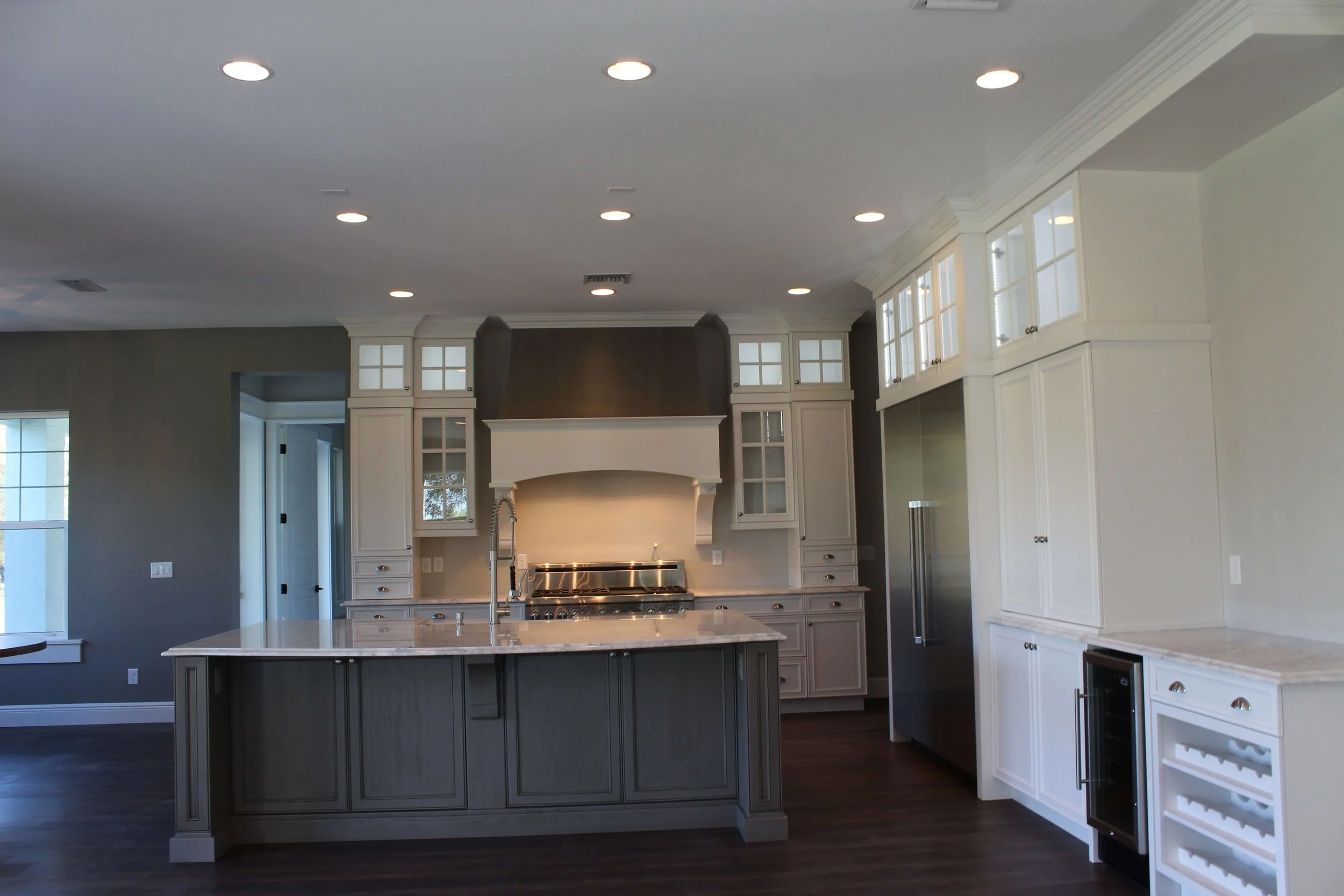
Kitchens That Work Hard and Look Calm
Prioritize layout before finishes. Focus on clear zones for prep, cooking, cleanup, and storage.
Plan real storage. Design around what you actually own—everyday dishes, large pots, small appliances, baking supplies.
Choose durable surfaces. Select counters and flooring that tolerate heat, spills, and frequent cleaning.
Layer your lighting. Combine bright task lighting with softer ambient lighting.
Keep style steady, not trendy. Aim for a timeless base palette with flexible accents.
Bathrooms Built for Daily Use
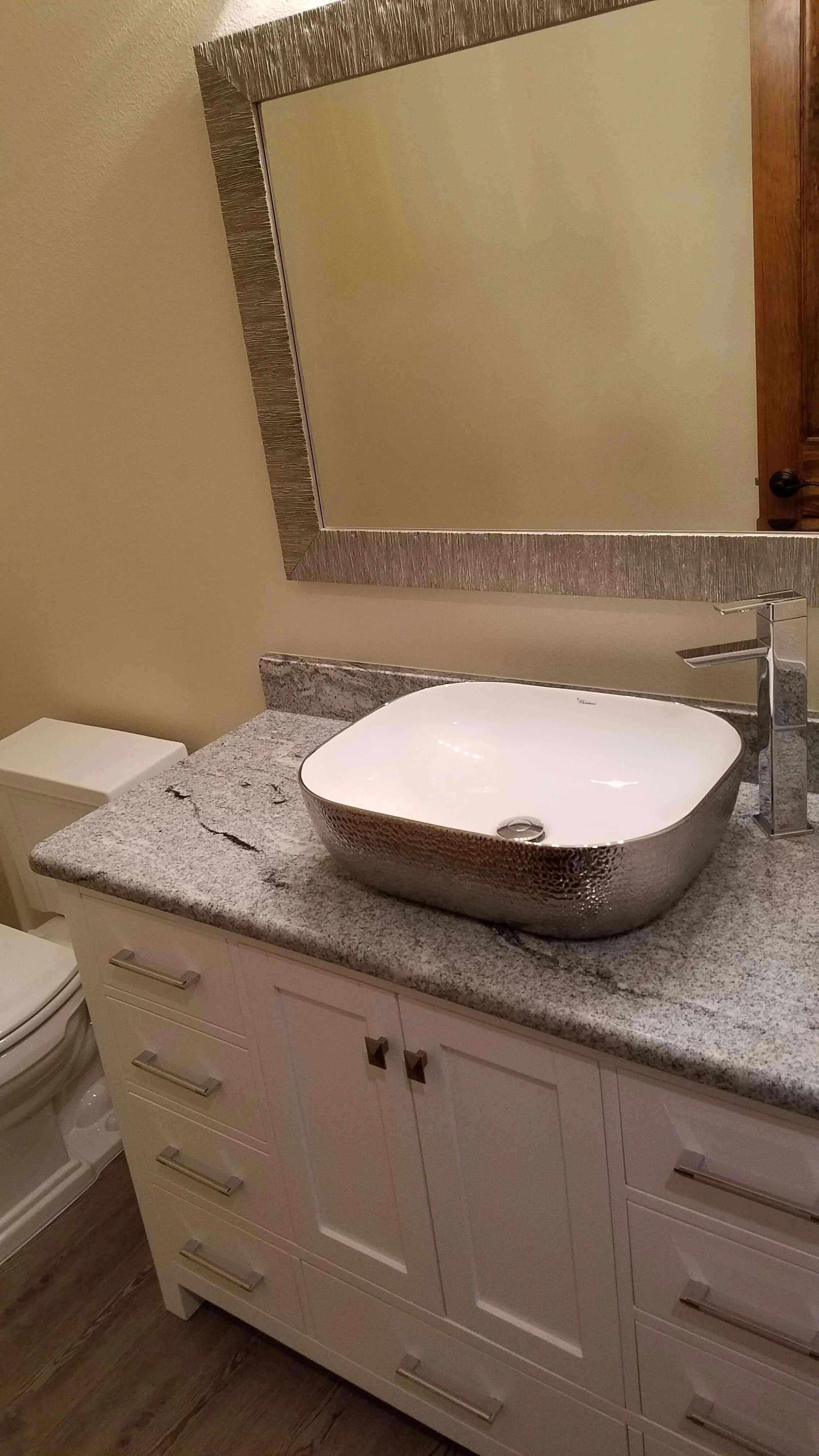
Focus on waterproofing first. Strong waterproofing protects your entire investment.
Choose practical finishes. Select tile sizes and grout colors that are easy to clean, with slip-resistant textures on floors.
Plan storage into the walls. Use niches and recessed cabinets for daily items.
Use good ventilation. Properly sized fans protect finishes, especially in cold climates.
Mudrooms That Match Real Life
In Star Valley, a mudroom isn't a luxury—it's protection for the rest of your home.
Design for your actual gear list
Use durable, easy-to-clean surfaces
Include seating and landing zones
Plan vertical storage with hooks and cubbies
Control moisture with drainage and ventilation
Exterior Enhancements
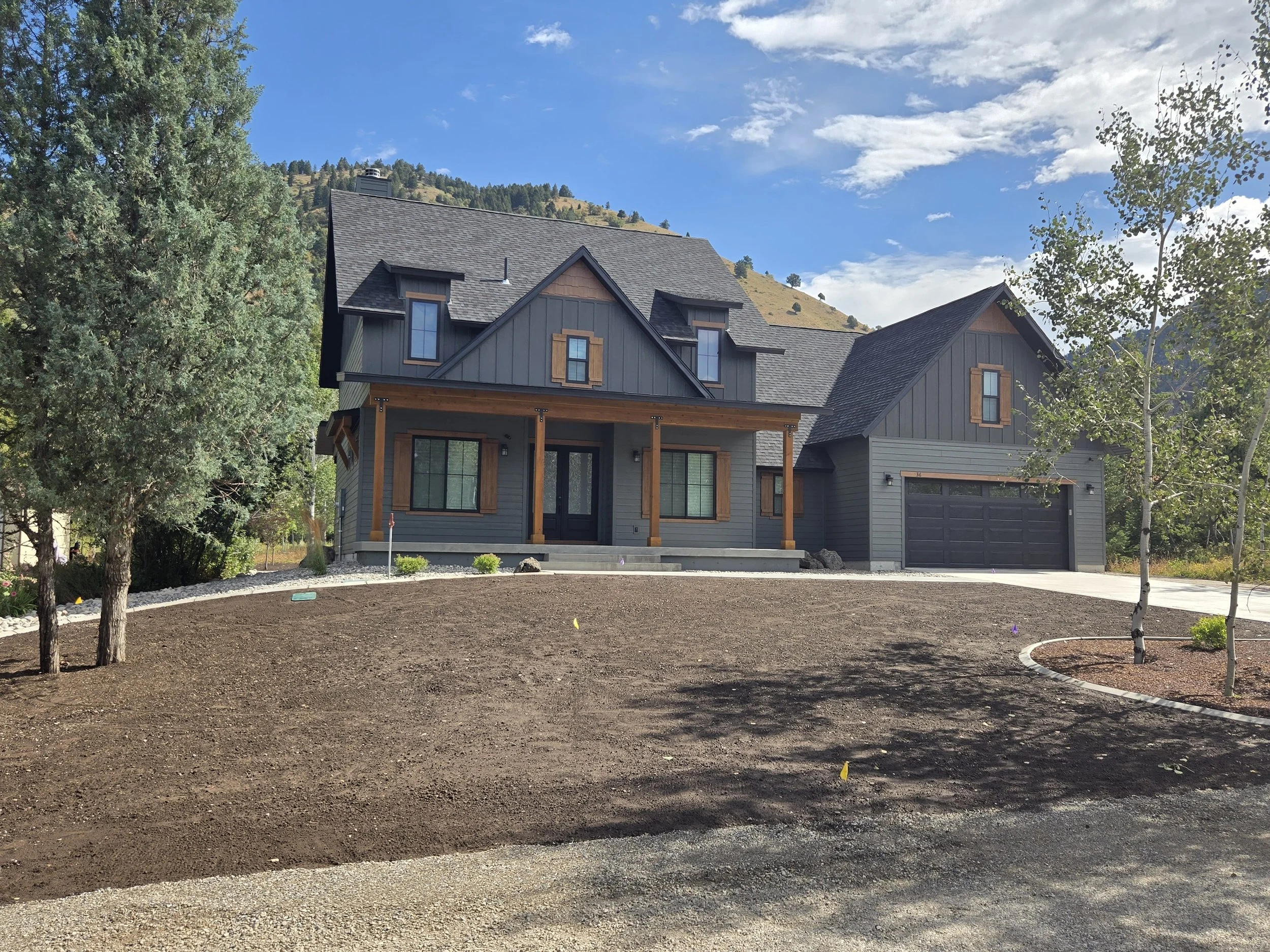
Entry improvements. Consider covered porches that shelter guests and reduce ice buildup.
Siding and roofing. Choose materials that resist moisture, UV light, and snow loads.
Updated windows and doors. Modern units improve comfort and energy performance.
Outdoor living. Design decks and patios with wind, snow shedding, and sun angles in mind.
Multi-Functional and Flexible Spaces
Life shifts, businesses grow, and what you need today may not match what you need in a few years. Think in terms of activity zones rather than room labels.
For Homes
Align activities with similar needs (quiet reading with guest sleeping, gear storage with laundry)
Plan built-in storage first
Layer lighting for different modes
Think about sound separation
For Businesses
Use modular planning with repeated bay sizes
Separate public and private zones clearly
Keep infrastructure accessible for future changes
Choose durable, neutral finishes that support branding updates
Budget-Friendly Renovation Strategies
Quality and budget work together when you approach renovation with clear priorities.
Prioritize by Impact
Safety and structural needs – water intrusion, failing roofs, outdated electrical
Function and flow – layout problems that slow you down daily
Durability and maintenance – surfaces requiring constant repair
Comfort and performance – insulation, windows, ventilation
Cosmetic changes – can be updated later with less disruption
Where to Save Thoughtfully
Decorative lighting and plumbing fixtures
Standard tile sizes and layouts
Simpler cabinet door profiles
Where Not to Cut Corners
Waterproofing and building envelope
Subfloor and framing corrections
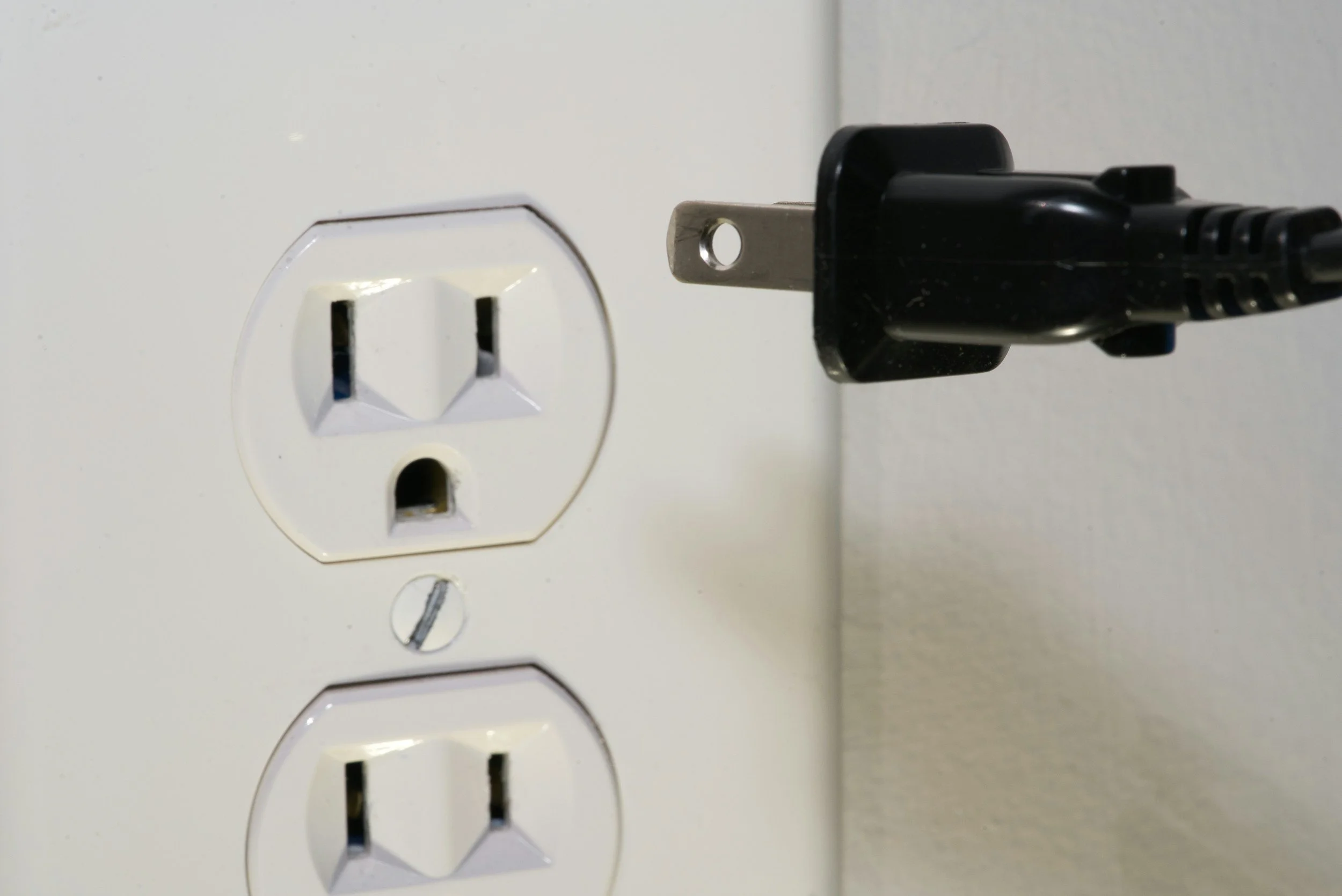
Mechanical, electrical, and plumbing systems
Hardware and moving parts (hinges, drawer slides)
Consider Phased Renovations
Define the full long-term vision, then sequence by dependency. Start with structure and core systems, group areas to limit disruption, and plan shared materials across phases for a unified result.
Aging-in-Place and Future-Proofing
Planning for aging in place protects your independence and your investment.
Key Considerations
Entries: Low or no-step entry options, covered landings, non-slip surfaces
Main level living: Bedroom, full bathroom, kitchen, and laundry accessible without stairs
Bathrooms: Curbless showers, built-in seating, reinforced walls for future grab bars
Kitchens: Wide pathways, accessible storage, easy-to-grasp hardware
Throughout: Consistent flooring, sturdy handrails, lever-style handles, good lighting
Even if you don't need these features now, building them in quietly prepares your home for the future.
Commercial Property Renovation
Your building speaks for your business before anyone says a word.
Operational Upgrades
Map circulation and eliminate bottlenecks
Create storage that matches real volume
Design back-of-house spaces for function and cleanability
Address acoustics and lighting
Front-of-House
Create a clear reception point
Provide comfortable, organized waiting areas
Choose durable, quiet flooring
Align finishes with your brand tone
Compliance and Accessibility
Work with professionals who understand accessibility requirements, fire and life safety codes, and industry-specific regulations from the start.
Plan for Growth
Standardize module sizes for easy reconfiguration
Keep infrastructure accessible
Use a cohesive finish palette
Document decisions thoroughly
The Renovation Process: What to Expect
A calm, predictable process is one of the most valuable things a reliable builder provides.
Key Stages:
Initial consultation – Understanding your goals and confirming fit
Site visit – Gathering accurate information about existing conditions
Concept development – Translating goals into a rough plan with preliminary pricing
Detailed design – Finalizing drawings, selections, and specifications
Contract and schedule – Clear scope, pricing, timeline, and change process
Permitting – Managing approvals on your behalf
Pre-construction – Finalizing schedules and site logistics
Construction – Active work with regular communication and quality control
Completion – Detail finishing and final inspections
Walkthrough and handover – Reviewing the finished work together
Aftercare – Ongoing support, warranty, and maintenance guidance
Maintaining Your Investment
Thoughtful maintenance keeps finishes looking good and protects structure and systems.
Build a Simple Maintenance Plan
Gather all documentation and care instructions
Sort by area of the building
Note key actions and intervals
Use calendar reminders
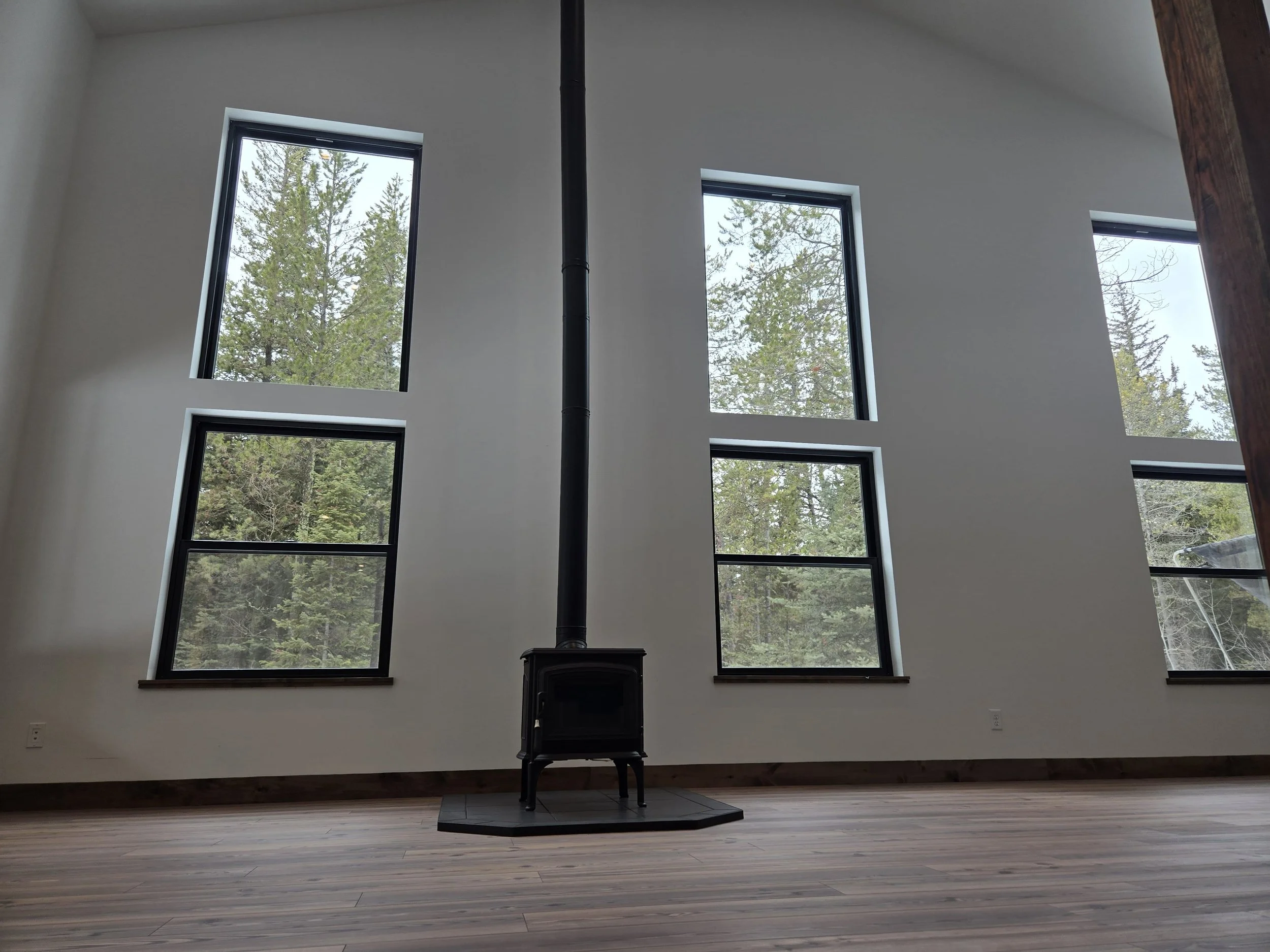
Seasonal Focus for Star Valley
Before winter: Roof, gutters, caulking, heating systems, snow management
Mid-winter: Check for drafts, condensation, ice patterns
Early spring: Inspect for winter damage, review drainage
Summer/fall: Exterior maintenance and preparation for next cold season
Know When to Call for Help
Contact your builder or a professional for new cracks or movement, repeated leaks, persistent performance issues, or signs of premature material failure.
Moving Forward With Confidence
Renovation is a series of well-chosen steps, each building on the last. With informed planning, a disciplined process, and a builder who respects both your vision and your budget, you can create spaces that support you quietly, day after day.
Your home or commercial building should feel like a steady base, not a source of worry. When you're ready, start the conversation, share your goals, and let a trusted team help you shape a plan that fits Star Valley, fits your needs, and fits the future you're building toward. Contact Gaughan Homes today for a quote!