Understanding Custom Building: What It Really Means For You
When you choose a custom build, you are deciding that your home or commercial space should fit you, not the other way around. Custom building means you start with your needs, your land, and your daily life or business operations, then design every element around that.
Custom Homes vs. Custom Commercial Buildings
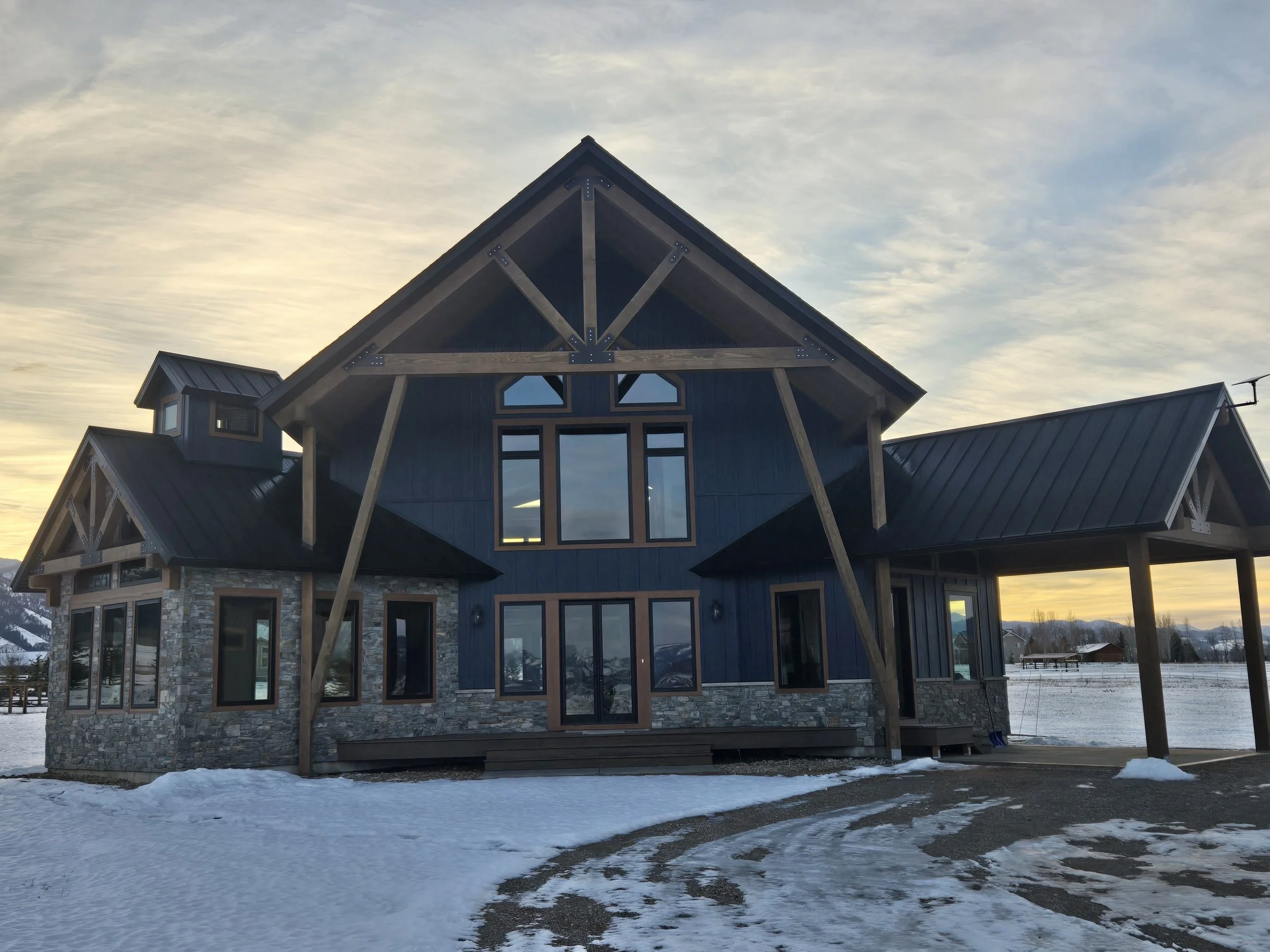
Custom homes center on how you live. Floor plans, windows, storage, and outdoor spaces all respond to your routines. In Star Valley, that might mean planning for gear storage, generous mudrooms, natural light in long winters, and comfortable gathering areas for family and friends. The goal is a home that feels calm, solid, and personal every time you walk through the door.
Custom commercial buildings focus on how your business works. Layout supports clear customer flow, efficient back-of-house operations, and future growth. You might need flexible work areas, durable finishes that handle heavy use, or specific structural and mechanical requirements for your industry. A thoughtful custom design can support productivity, safety, and a professional image that fits your brand.
The common thread is that both types of projects start with how you live or work, then use that as the blueprint for design and construction.
Why Custom Building Prioritizes Your Needs
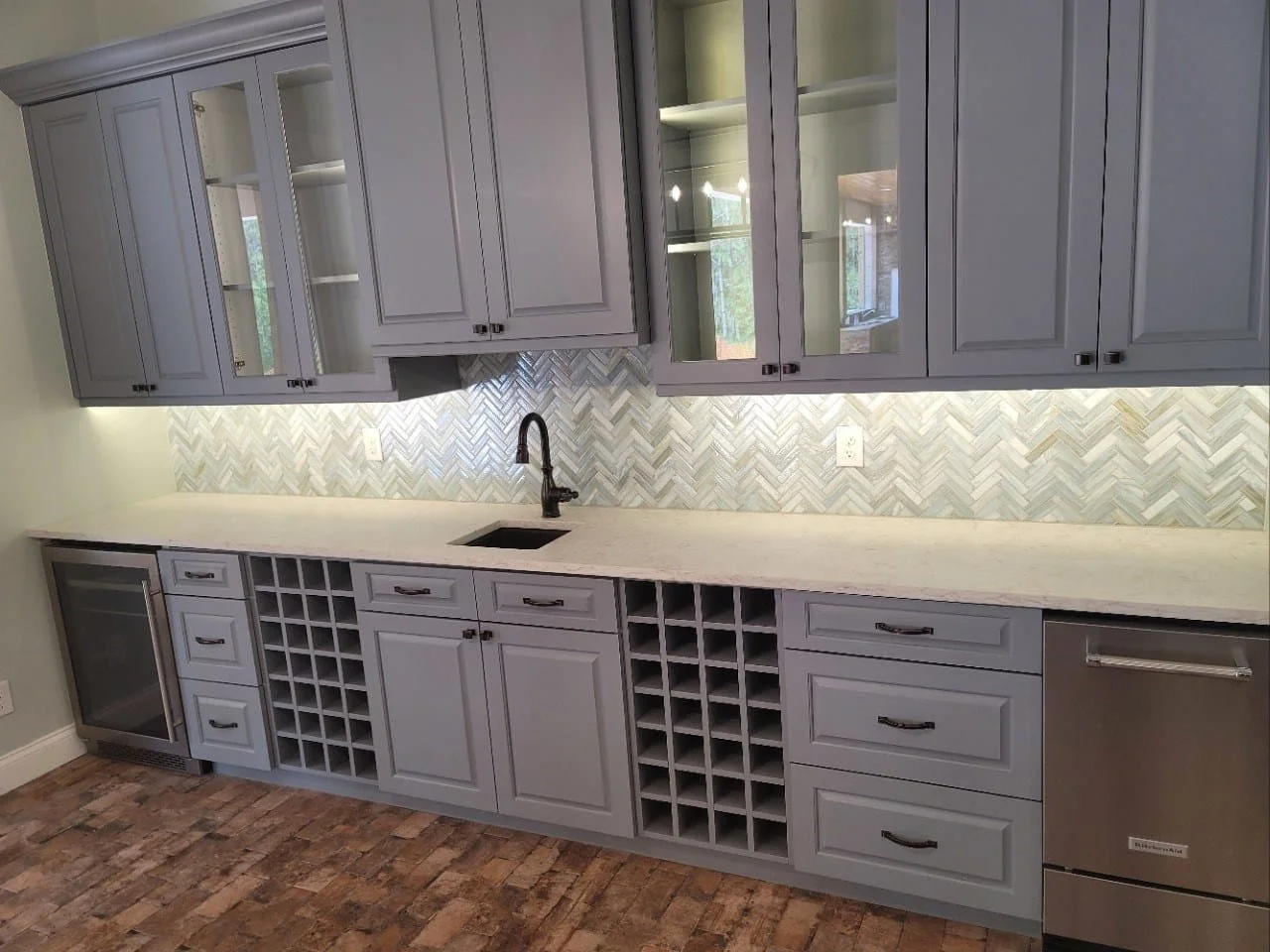
With a custom project, you are not forced into a standard plan or a fixed set of finishes. You decide what matters most, for example:
How many separate zones you need for privacy, work or quiet
Where natural light should fall in key rooms or workspaces
How much storage you need for seasonal items, inventory, or equipment
What level of durability and maintenance fits your lifestyle or operations
A clear process and open communication keep your priorities at the center, from early concepts through final walkthrough. If you want to understand that full journey in more detail, our custom home building services overview gives a structured look at each phase.
Building For Star Valley’s Climate and Character
Star Valley offers beauty and variety, and it also asks a lot from any building. Custom construction lets you plan for that from day one. You can choose:
Roof designs and materials that handle snow loads and seasonal changes
Building orientations that use sun and wind to support comfort and efficiency
Exterior materials and details that suit local weather and look at home in the landscape
Insulation, windows, and mechanical systems that support comfort across seasons
Custom design also respects the regional style you are drawn to, whether that leans more rustic, more modern, or a clean mix of both. The result is simple. You get durability you can rely on and beauty that feels right for Star Valley, tailored to how you live or work every day.
Getting Started: Assessing Your Needs and Project Scope
Before you think about finishes or fixtures, you need a clear picture of what you are building, where it will sit, and how it should work for you. A calm, structured start saves time, reduces stress, and helps you invest wisely.
Clarify Your Vision: Home or Commercial Space
Begin with how you want to live or work.
For a custom home, list how many people will live there, how you like to gather, work, and relax, and what you want daily life to feel like. Think about storage for seasonal gear, places to enjoy Star Valley views, and how you move through your day.
For a commercial building, define how clients or customers will arrive, where staff work, and what spaces your operations require. Consider future growth, accessibility, and how the building should represent your brand.
Write these priorities down in simple terms. You do not need design language. Clear statements such as “quiet place to work from home” or “space for [insert number] staff with private meeting area” give your builder a strong starting point.
Site Location, Land Ownership, and Zoning
Your land and local rules shape what is realistic. In Star Valley, terrain, views, and snow all influence siting and access.
Land ownership, confirm whether you already own a lot or plan to purchase one. If you own land, gather any surveys, covenants, or previous site information. If you are still looking, decide on your priorities such as views, privacy, or proximity to town.
Zoning and covenants, each property sits within specific zoning that guides use, building size, and setbacks. Some areas also have neighborhood or subdivision guidelines. Early review helps you avoid design revisions later.
Access and site features, look at driveway routes, slopes, prevailing wind, sun paths, and snow storage. These details affect cost and comfort.
Utilities and Infrastructure
Reliable services are part of a solid, low stress building. For both homes and commercial projects, clarify:
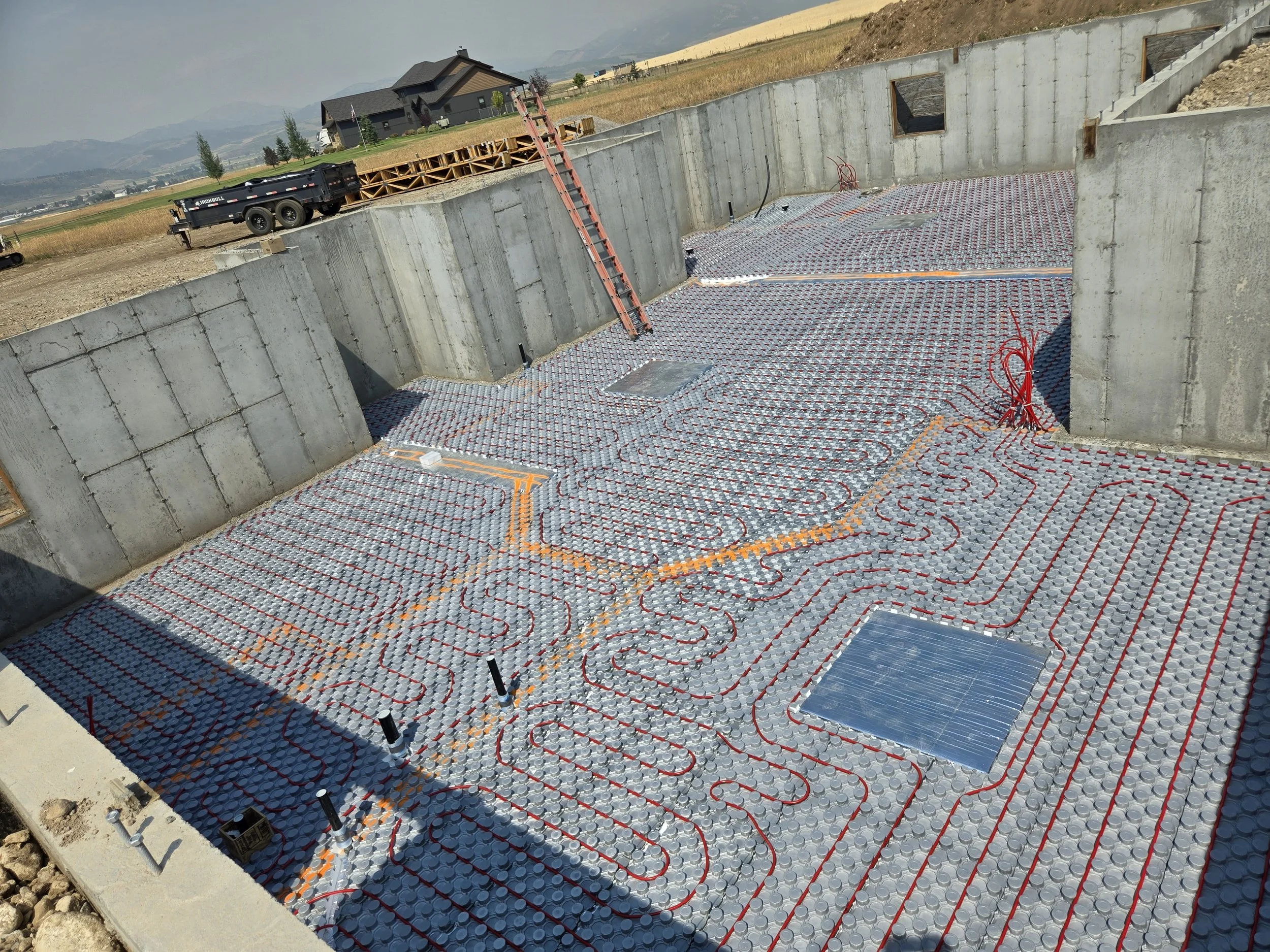
Early utility planning lets your builder coordinate with engineers, local providers, and permit offices in a logical sequence.
Whether water will come from a well or a community system
Plans for sewer or septic
Power, gas or propane, and communications access
Any off site improvements that may be needed
How Early Planning Supports Budget and Expectations
When your vision, site conditions, and basic constraints are clear, your builder can talk with you in grounded terms about scope and cost. This prevents you from designing something that does not fit your land or your budget. Instead, you move forward with a project size, level of finish, and schedule that match your priorities.
If you want more structured prompts for this planning phase, you can explore our broader guidance on the custom home building blog, then bring your notes into an early conversation with a builder you trust.
Choosing the Right Builder and Design Team You Can Trust
Choosing your builder and design team sets the tone for your entire project. The right fit brings clarity, steady communication, and fewer surprises. The wrong fit can create stress that lingers long after move in. It is worth taking your time here.
Know What You Want From Your Team
Before you start interviews, decide what matters most to you in a partner. For most Star Valley homeowners and business owners, that includes:
Integrity, clear pricing, honest timelines, and straightforward conversations about what is and is not realistic.
Relevant experience, custom homes or commercial spaces similar in scale and complexity to your own goals.
Process transparency, a defined step by step system that shows you what happens first, what comes next, and when you make decisions.
Communication style, calm, responsive, and willing to explain details without talking down to you.
Use this as your filter. If a builder or architect does not align with these priorities, that is useful information, and you can move on without second guessing yourself.
Questions To Ask Prospective Builders and Architects
Structured questions help you compare teams in a clear way. You might ask:
How do you approach custom projects in Star Valley conditions, especially snow, wind, and temperature swings
What is your typical process from first meeting through move in, and how will I know what is coming next
Who will be my main point of contact, and how often will I hear from you during design and construction
How do you handle changes during the project, and how are those priced and documented
What does your warranty and post build support look like
For design professionals, add questions about how they handle revisions, how they coordinate with the builder, and how they ensure your priorities stay visible from concept to final plans.
The Role of References and Past Work
References and previous projects help you understand consistency. Ask for:
Recent clients with projects similar in type and scope
Photos or a gallery that shows a range of styles and details
Clear explanations of how they managed schedule and communication on past jobs
As you review, pay attention to the quality of finishes, the thoughtfulness of layouts, and whether the work feels solid and intentional. Resources such as a dedicated project gallery or an in depth about page can give you more context on a builder’s approach and craftsmanship.
Why Early Trust Matters
You will make many decisions together, from structural details to small finish selections. You want to feel comfortable asking questions, sharing concerns, and saying when something does not feel right. When you trust your team early, you spend less time worrying and more time making clear decisions.
A calm, confident building journey starts with a partnership you believe in. When you choose a builder and design team whose integrity, experience, and communication style match your values, you create the foundation for a project that feels organized, respectful, and steady from first conversation through move in.
Navigating Financing and Budgeting With Clarity
Clear financing and a realistic budget create calm around your project. When you understand how the money side works, you can make confident choices instead of guessing.
Construction to Permanent Loans vs. Separate Land and Building Loans
Most custom projects use one of two basic structures.
Construction to permanent loans combine your construction financing and your long term mortgage in a single loan. You typically close once, draw funds in stages during construction, then the loan converts to a standard mortgage after completion. This route can simplify paperwork and closing costs, and it works well if you already own your lot or are purchasing land and building within a defined timeline.
Separate land and building loans treat the lot and the construction as two different pieces. You might first secure a land loan to purchase the property, then obtain a construction loan later when your plans are more developed. This can give you more time to design and plan, although it may involve more than one closing and more coordination between lenders.
A calm discussion with your lender and builder helps you decide which structure fits your situation, your timeline, and your comfort level with carrying land costs while you design.

Building a Realistic Project Budget
A solid budget looks beyond the visible structure. It accounts for each major category so you have fewer surprises. Core items usually include:
Land, purchase price, closing costs, and any early site work such as access improvements or clearing.
Design, architectural plans, engineering, and any consulting for site planning or interior layouts.
Construction, the actual build, including labor, materials, and standard fixtures and finishes.
Permits and fees, building permits, impact or connection fees, and required reviews.
Unforeseen costs, a contingency line to handle weather delays, site surprises, or meaningful changes you choose during the process.
A clear budget is one you can explain in plain language. If a line item does not make sense, keep asking questions until it does.
How Transparent Budgeting Keeps Your Project on Track
Transparent budgeting means you and your builder see the same numbers, use the same definitions, and update them together as choices change. That looks like:
Written allowances for items such as cabinetry or flooring, with room to adjust based on your selections.
Documented change orders if you decide to upgrade, reduce, or add features.
Regular check ins that compare actual costs to your original plan.
This approach lowers stress. You know where your money is going, what is already committed, and what is still flexible. If you prefer a structured, step by step building process, resources such as the Gaughan Homes overview can help you see how budgeting fits into each phase.
The Step By Step Custom Building Process
A clear roadmap turns a complex build into a series of manageable steps. Whether you are creating a home in Star Valley or a new commercial space, the process follows a steady rhythm. Your role is to stay informed, make decisions at defined points, and walk the site when it matters most. You do not need to manage trades or chase details. That is your builder’s job.
1. Finalizing Design and Permits
This phase turns ideas into instructions your builder and local authorities can use.
Construction drawings, your architect and builder refine plans, structural details, and specifications so everyone works from the same set.
Selections framework, you review allowance categories, timelines, and where you will make finish choices such as flooring, cabinetry, and fixtures.
Permitting, your builder coordinates required permits and reviews for your jurisdiction and for Star Valley specific conditions such as snow loads and access.
Your role is to approve final plans, sign off on the initial budget, and respond promptly to questions from your builder or design team.
2. Site Preparation and Foundation
Once permits are in place, work moves on site.
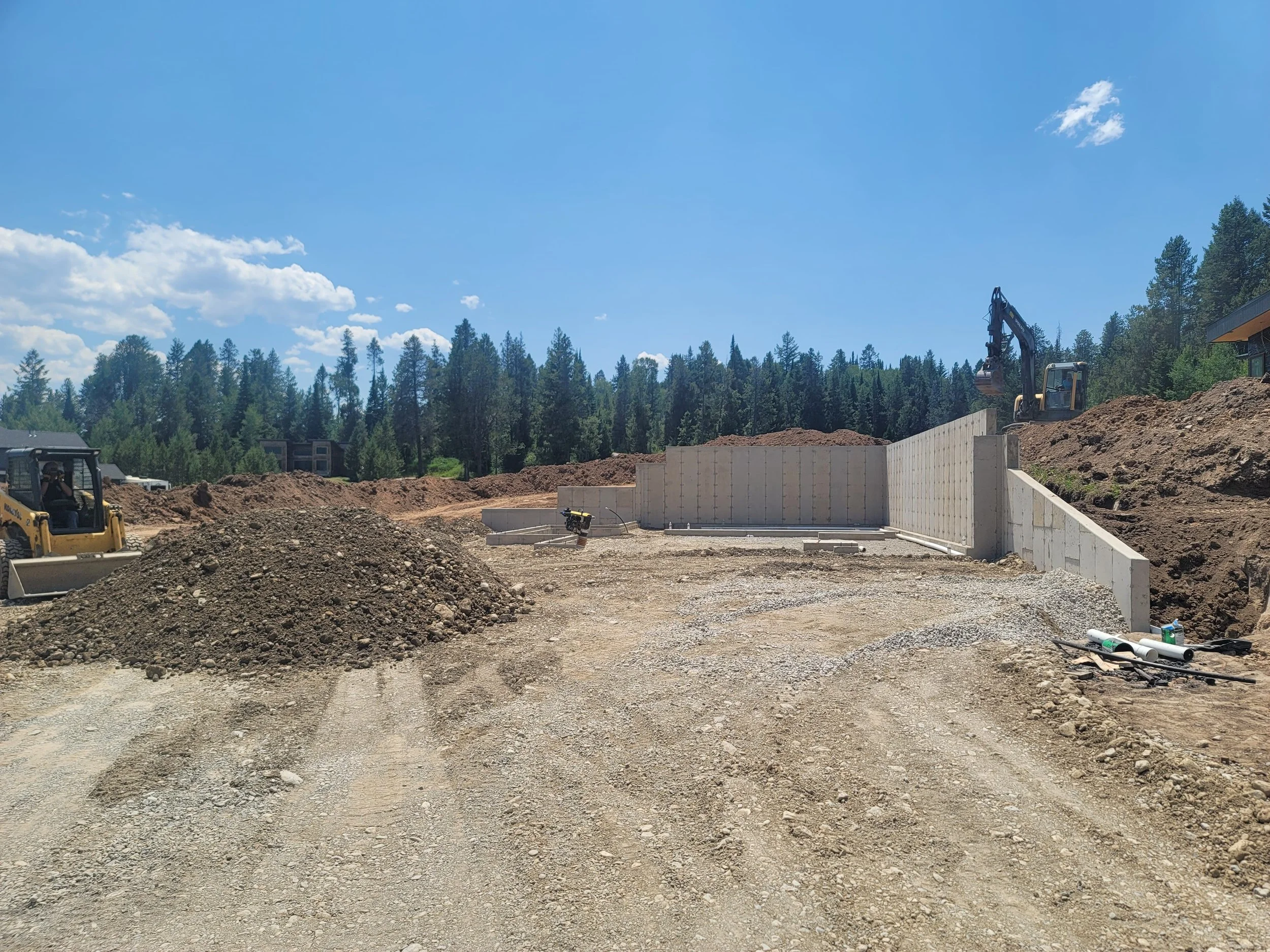
Survey and layout confirm the exact building location and elevation.
Excavation, utilities, and drainage are roughed in according to the plans.
Footings and foundation are formed, reinforced, and poured, taking local soil and frost conditions into account.
Your role is usually a site walk with your builder to confirm orientation, driveway approach, and how the building sits on the land. This helps you visualize views, privacy, and access in real space.
3. Framing, Systems, and Building Shell
The project begins to look like a building.
Framing, walls, floors, and roof structure go up.
Rough in systems, plumbing, electrical, HVAC, and any specialized systems for your home or commercial use are installed inside the framing.
Exterior shell, roofing, windows, exterior doors, and weather barriers are installed to protect the structure.
This stage often includes a pre insulation walkthrough, where you confirm outlet locations, lighting, switching, and any built in elements before walls are closed.
Your role is to attend that walkthrough, review layouts with your builder, and request adjustments that support how you live or work day to day.
4. Interior and Exterior Finishes
With the shell complete, focus shifts to what you see and touch.
Insulation, drywall, and priming create finished surfaces.
Exterior siding, trim, and details are installed in line with Star Valley weather and your preferred style.
Cabinetry, tile, flooring, and interior trim follow a defined schedule.
Fixtures, appliances, and final paint complete the spaces.
Your role is to make timely selections within your allowances and to visit as needed when your builder requests on site review of key areas such as kitchens, baths, and special features. A structured decision checklist, like the ones we use in our projects and discuss in resources such as our planning guides, keeps this phase from feeling overwhelming.
5. Inspections, Walkthrough, and Closing
As work wraps up, your builder coordinates a sequence of inspections.
Code and safety inspections for structure, systems, and life safety.
Punch list review, where minor touch ups or corrections are identified and scheduled.
Final clean and preparation for occupancy.
You will have a final walkthrough to review how systems work, confirm completed items, and note anything that needs attention before closing.
Your role is to walk the project carefully, ask questions about maintenance and operation, and confirm that the agreed work is complete. After that, you handle closing with your lender or title company and receive keys to your new space.
A calm process is built on clear roles, steady communication, and predictable decisions. When each step is explained before it begins, you stay engaged and confident instead of overwhelmed, from first permit application through the day you walk into your finished home or commercial building.
Post Build: Warranty, Support, and Maintaining Your Investment
The day you move in is not the end of your project. It is the beginning of living or working in a space that should serve you for a long time. A clear warranty, dependable support, and a simple maintenance plan protect that investment and keep your home or commercial building feeling solid and cared for.
What To Expect From Warranty Coverage
A well structured warranty explains, in writing, what is covered, for how long, and how to request service. Most custom projects include coverage for:
Workmanship and materials, items such as finishes, flooring, trim, and basic interior components for a defined period.
Systems, major mechanical systems such as heating, cooling, plumbing, and electrical, often in coordination with manufacturer warranties.
Structural elements, the primary structure of the building under specific terms.
At your final walkthrough, your builder should review how the warranty works and who to contact if you notice an issue. You should leave with clear instructions, not guesswork.
Ongoing Support After Move In
A responsive builder remains a resource after you receive your keys. That support often includes:
Guidance on how to operate and adjust systems such as heating, ventilation, and controls.
Scheduled check ins at agreed intervals to address minor items that surface as you settle in.
Recommendations for routine maintenance tasks and timing, tailored to Star Valley’s climate.
If you prefer a structured relationship, some clients schedule a brief checkup meeting using tools similar to the online scheduling used on our consultation appointments page. What matters most is that you never feel alone with a concern.
Maintenance Priorities For Long Term Durability
Regular care does more than keep things looking good. It protects structure, finishes, and systems from avoidable wear. A simple maintenance plan might include:
Exterior checks, inspect roofing, gutters, siding, and caulking at steady intervals, especially after severe weather or heavy snow seasons.
Moisture control, keep drainage paths clear, pay attention to grading, and address any signs of water intrusion quickly.
System servicing, schedule routine service for heating, cooling, and ventilation based on manufacturer guidance, and replace filters on a regular rhythm.
Interior care, follow recommended cleaning methods for flooring, cabinets, and surfaces to avoid damage.
You protect value every time you handle small issues early. A loose piece of trim, a minor leak, or a sticky door is easier and less costly to correct when you catch it quickly.
Staying Confident In Your Custom Investment
When you understand your warranty, know how to request support, and follow a straightforward maintenance routine, you can enjoy your home or commercial space with less worry. For many owners, revisiting planning resources such as our broader guidance on living with a custom home, including ideas shared across our Gaughan Homes blog, helps keep long term decisions clear and calm.
Your building should feel like a steady foundation under your life or business. With a builder that stands behind their work, and with your own consistent care, it will.
Your Partner In Building What You Truly Need
By now, you have seen that custom building is less about chasing a perfect picture and more about creating a home or commercial space that works quietly and reliably for your life. When you have a clear process, honest conversations about budget and timelines, and a team that respects your goals, the entire journey feels very different. Decisions feel manageable. Next steps make sense. Your project feels like it is moving with you, not against you.
You deserve a builder who treats your project as a long term commitment, not a transaction. That means listening carefully at the start, asking direct questions, and giving you straight answers, even when that means adjusting scope or timing. It also means staying present through design, construction, and well after move in, so you are never left wondering who to call or what comes next.
A Calm, Clear Path From Vision To Keys
Whether you are picturing a Star Valley home with room for real daily life, or a commercial building that supports your staff and customers, the pattern is the same. You bring your vision and your questions. We bring structure, local experience, and a steady process that respects both residential and commercial needs.

You stay informed through each phase, from early planning and financing through foundations, finishes, and final walkthrough.
You know when you will make decisions, how those choices affect cost and schedule, and how we will document any changes.
You have a clear contact, predictable communication, and a warranty and support plan that are explained in plain language.
You should feel understood, not talked over. You should feel respected, not rushed. You should feel supported, not left to manage details on your own.
Ready To Talk About Your Project
If you are starting to sketch ideas for a home or a commercial space in Star Valley, or if you already own land and want to know what is realistic, a simple conversation can bring a lot of clarity. We can walk through your goals, your site, and your budget comfort zone, then outline a practical path forward that matches your pace.
If you would like to see how we approach design, details, and craftsmanship, you can explore our custom home gallery. When you are ready to talk, you can reach out through our contact page to schedule a calm, no pressure consultation.
Your home or commercial building should feel solid, thoughtful, and truly yours. With the right partner and a clear process, that is exactly what you can build.