The Process of Building a House in Star Valley Wyoming: Key Steps
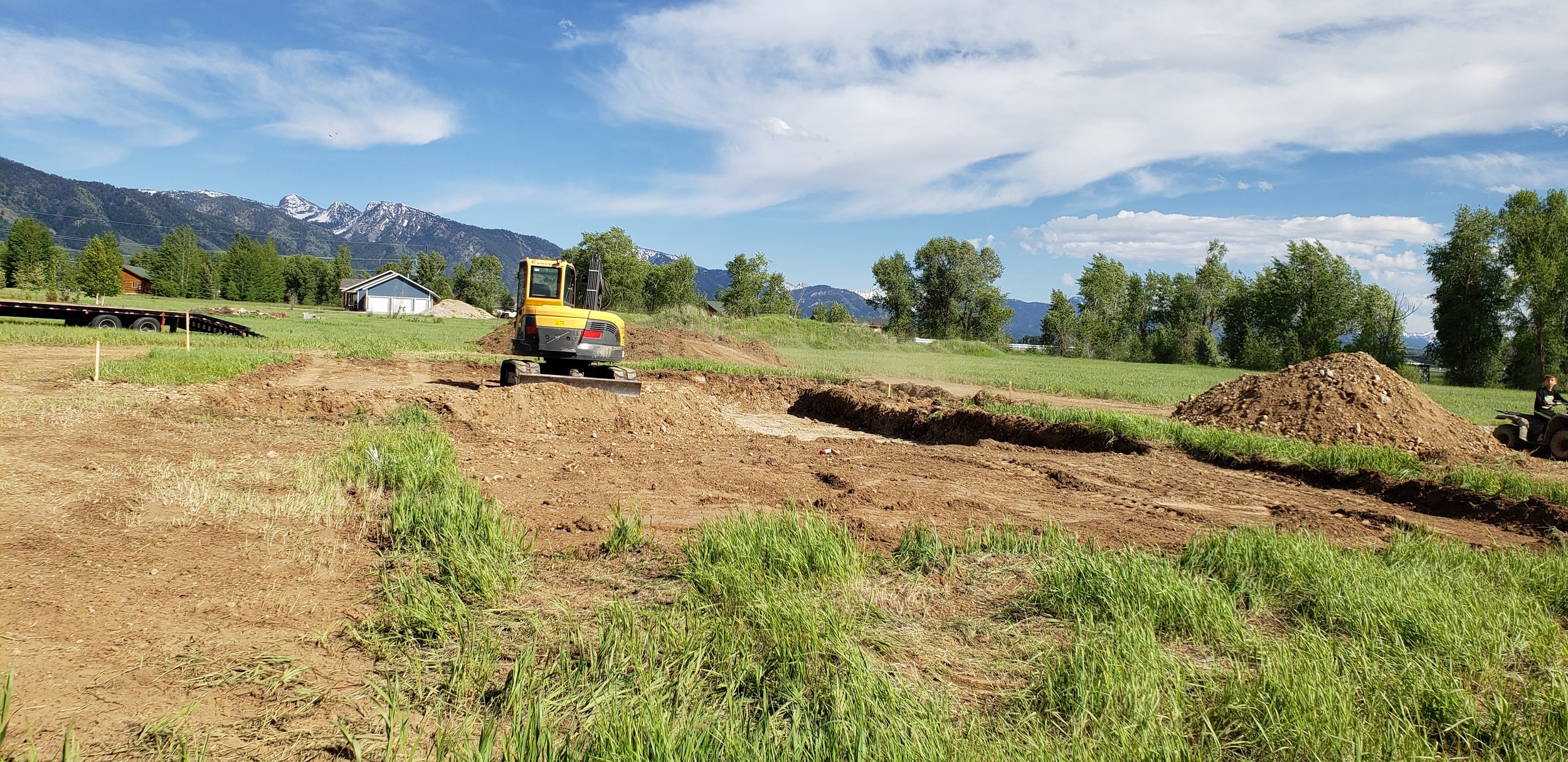
Understanding Your Land and Local Regulations
You have the land. Now you need a clear path from raw ground to a home that fits both your vision and Star Valley’s rules. That starts with understanding what your property can support and what the local regulations allow.
Land Assessment
Before design work, you should know how your site handles snow, wind, drainage, and access. We look at slope, soil conditions, prevailing winds, sun exposure, and how snow will build and drift. This shapes driveway placement, foundation options, and where your home will feel most comfortable year round.
Zoning and Setbacks
Each parcel sits in a specific zoning district with rules for use, building height, setbacks from property lines, and outbuildings. We review those standards with you so you understand what is possible on day one, not after you fall in love with a layout that will not pass review.
Permits and Approvals
You will likely need building permits, septic or utility approvals, and sometimes design reviews. We map out the permitting steps, identify which drawings and reports you need, and line up a realistic approval sequence so your project moves in a steady, predictable way.
Environmental Factors
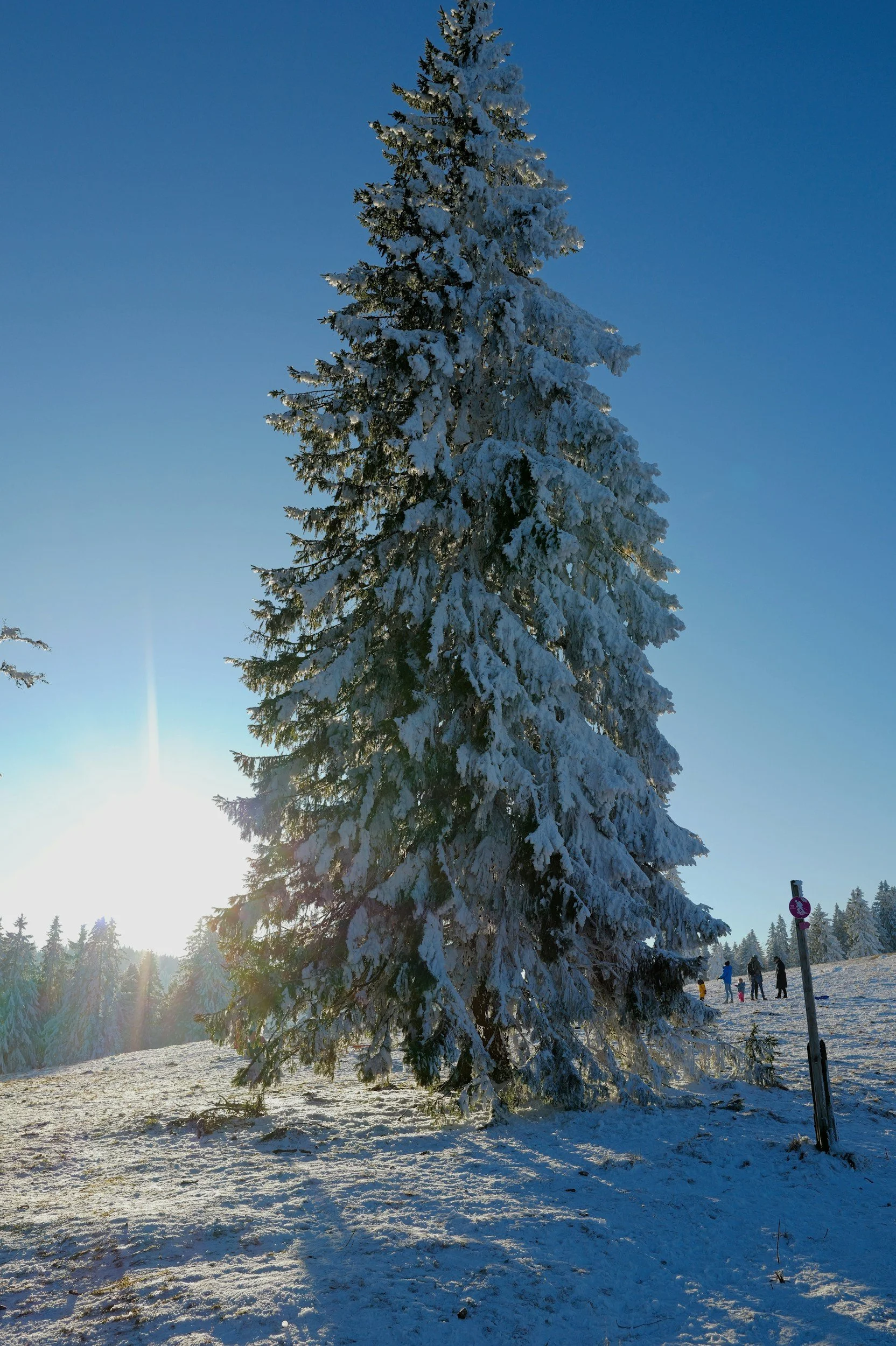
Snow load, frost depth, drainage patterns, and wildfire risk all influence good design in Star Valley. We design with those factors in mind so your home performs well, is easier to maintain, and respects the land you chose.
Planning Your New Home Build
With your land and regulations understood, you can move into clear, practical planning. A good plan protects your budget, your schedule, and your peace of mind.
Step 1: Clarify how you want to live
We begin with how you use space. Daily routines, storage, gear, guests, and views all guide room sizes, circulation, and window placement. In Star Valley, we also account for snow shedding, entries that handle mud, and safe, convenient parking.
Step 2: Choose a design approach
You can start with a custom design, a modified plan, or a proven layout that fits your lot. We match layout to sun exposure, wind, and snow patterns so your home feels warm, bright, and protected.
Step 3: Select materials for our climate
Long winters and strong sun are hard on weak materials. We help you choose roofing, siding, windows, insulation, and finishes that handle freeze thaw cycles, heavy snow, and dry summers with less maintenance.
Step 4: Hire the right local team
You need a builder who understands local inspectors, suppliers, and weather delays. We walk you through scopes of work, clear contracts, and communication routines so expectations stay aligned.
Step 5: Budget and timeline
Together, we build a realistic budget with allowances and a schedule that respects short building seasons. You see the sequence from excavation to move in, and you know when key decisions must be made.
Upgrading Existing Homes for Energy Efficiency and Low Maintenance
If you already own a home in Star Valley, smart upgrades can make it warmer, quieter, and far easier to care for, without changing the character you like.
Start with the envelope
Insulation and air sealing come first. We look at your attic, crawlspace or basement, and exterior walls to find the biggest heat losses. From there, we recommend targeted insulation upgrades and air sealing that fit your budget and your long term plans for the home.
Windows and doors
In this climate, quality windows matter. We focus on units rated for cold weather, strong wind, and heavy snow, with proper flashing and installation so you do not trade drafts for condensation or leaks. Upgraded exterior doors and weatherstripping often deliver an immediate comfort boost.
Heating systems that fit Star Valley winters
We review your current system, its age, and how well it heats the home on the coldest days. From there, we discuss options such as high efficiency furnaces, boilers, or supplemental systems suited to your layout and utility access.
Low maintenance materials
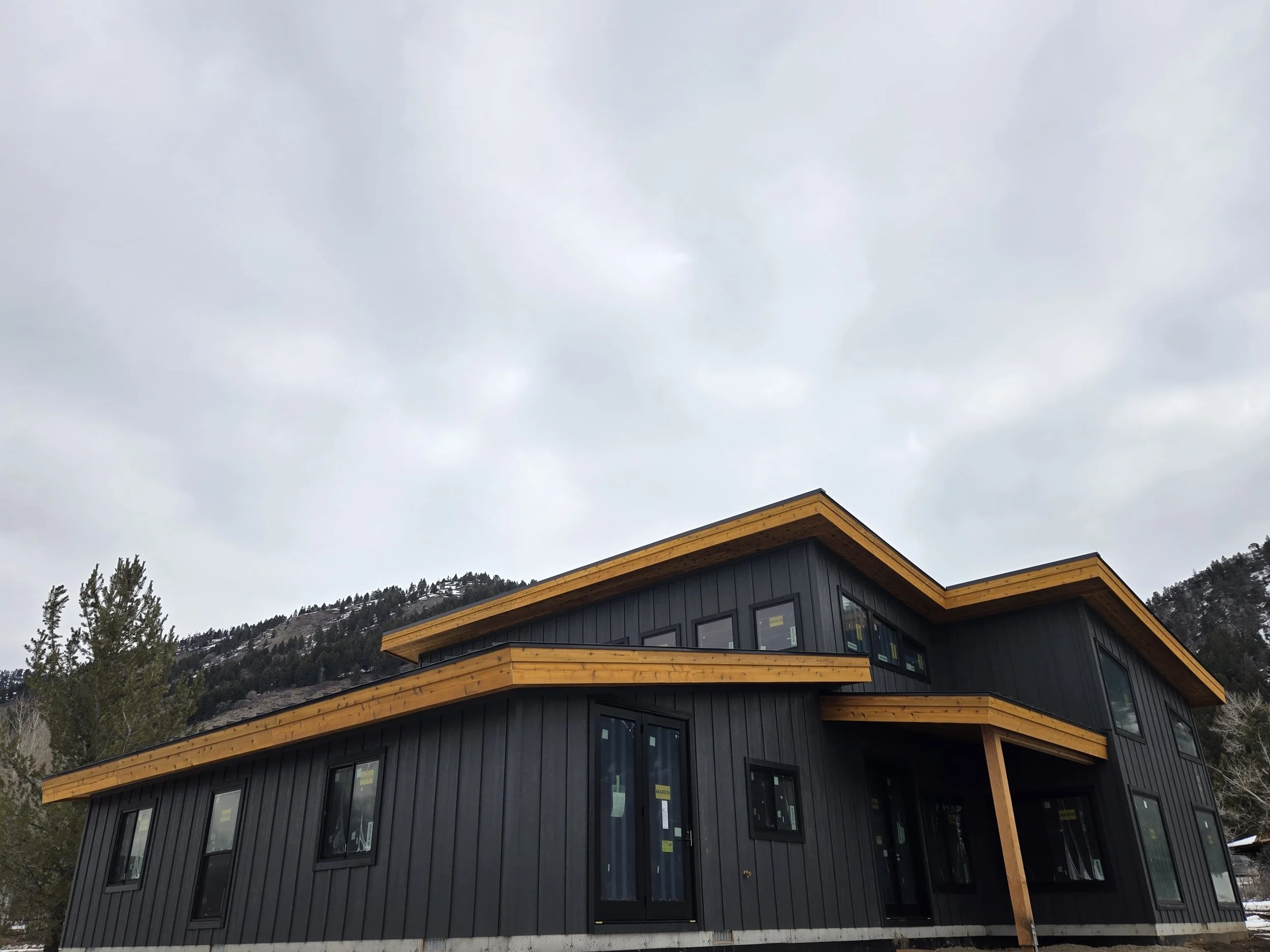
For siding, roofing, decks, and trim, we favor products that handle snow load, UV, and freeze thaw cycles with minimal repainting or repair. You gain more weekends to enjoy the valley, and fewer spent on a ladder.
Adding On to Your Current Home
A well planned addition can give you the space you need without giving up the home and views you already love. The key is to treat an addition with the same care as a new build, while respecting what is already there.
Start with structure
We begin by reviewing your existing foundation, framing, and roof. Snow load, wind, and frost depth in Star Valley put real demands on the structure. A structural assessment confirms what your current home can support and where we need new foundations, beams, or roof framing.
Match the architecture
Additions look best when they feel like they belong. We study your roof pitches, window styles, siding, trim, and details, then design the new work so it complements the original structure. You get more space without a “tacked on” look.
Permits and setbacks
We check zoning, setbacks, height limits, and utility locations before finalizing the layout. This keeps permit review straightforward and avoids surprises during inspections.
Function, flow, and value
We plan additions to improve daily living first, storage and circulation next, and future resale value as a natural result. Clear connections between old and new space, smart entries for snow and mud, and good natural light all matter in this valley.
Navigating the Construction Process and Ensuring a Successful Project
Once plans are set, the focus shifts to steady, predictable progress from excavation to move in. Clear structure and communication make the difference.
Know the main construction phases
We walk you through each stage, site work, foundation, framing, rough mechanicals, insulation, drywall, finishes, and exterior work. When you understand the sequence, changes and delays are easier to anticipate and manage.
Set communication routines
You should know who your primary contact is and how often you will get updates. We prefer a simple rhythm, scheduled check ins, written summaries of decisions, and photos when you are not in Star Valley. This keeps everyone aligned without constant firefighting.
Protect your schedule
Weather, material availability, and inspections all affect timing. We build in reasonable buffers and identify decisions you must make by specific milestones so your project does not stall while waiting on selections.
Handle inspections and quality checks
We coordinate required inspections and prepare the site so they pass cleanly. Along the way, we use checklists for framing, air sealing, and finishes that match the performance you expect in this climate.
Prepare for final occupancy
Before you move in, we confirm utilities, safety items, and punch list work. You receive a clear handoff with information and basic operating guidance tailored to your Star Valley home.